We identify where AI creates most value, define the right approach, and build the business case before a model is trained.




Most AI projects fail on strategy, not technology
We bring the engineering rigour and strategic clarity applied AI demands. From data strategy to production deployment and optimisation, we build AI systems that work in the real world, not just in demos.



I was looking for a company who would bring ideas as well as technical ability, and work closely with us to create the best solution; and that’s exactly what I found in Atomic.

Tim Middleton
CTO, Built for Good



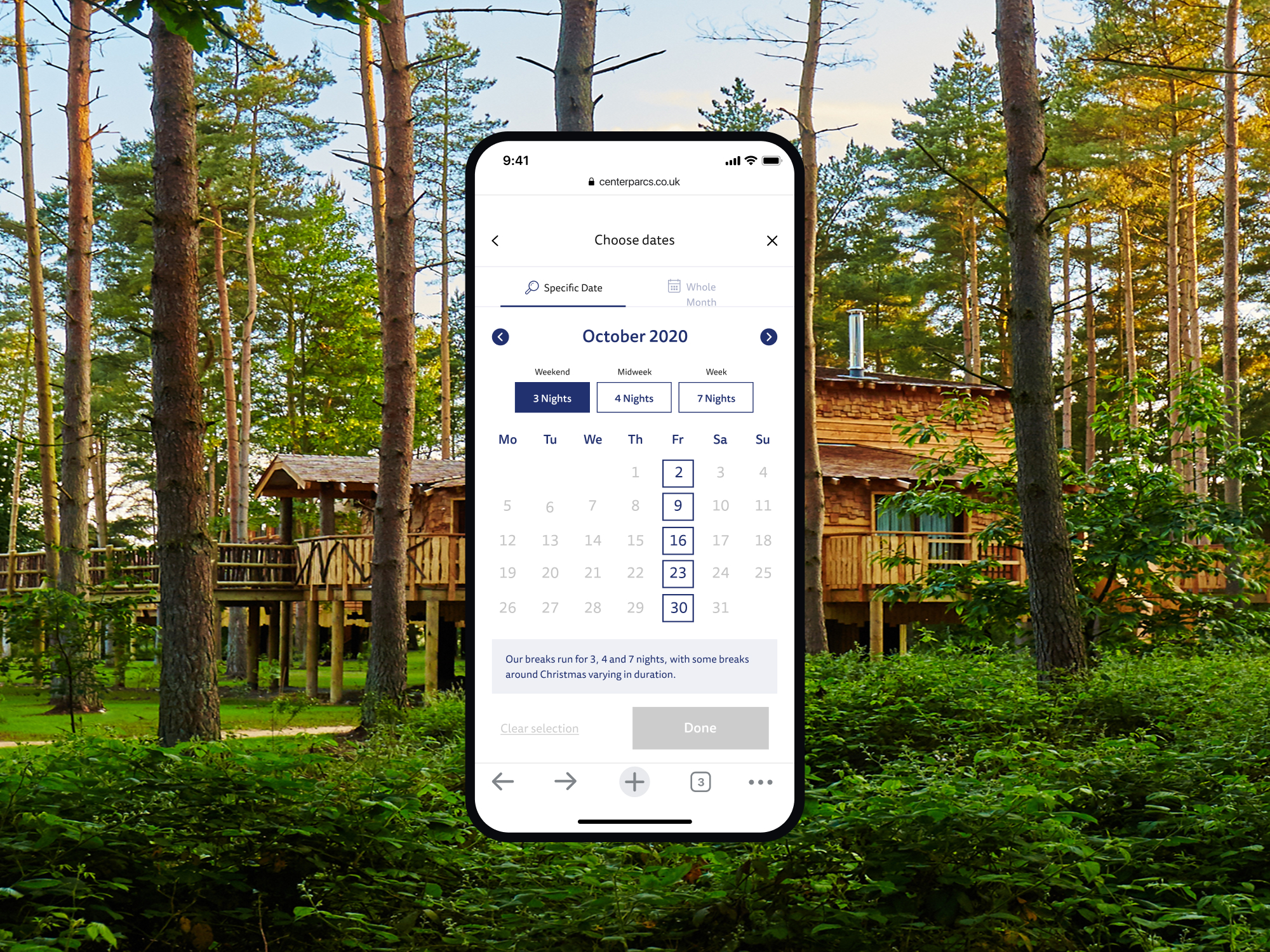
Over 70,000 downloads in its first week, a 15% uplift in bookings, and No.1 in the travel app charts. We designed a native iOS and Android app that made it simpler for Center Parcs guests to plan, book, and get the most from their stay.


Atomic's ML and AI team works with ambitious brands to design, build, and deploy machine learning and AI systems that turn data into insight, automate the right decisions, and deliver measurable commercial returns.
Machine learning is a branch of AI where systems learn from data to make predictions or decisions, improving their performance over time without being explicitly programmed for each task.
AI is the broad field of making machines perform tasks that typically require human intelligence. Machine learning is a specific technique within AI, using data to train models.
If you have a repetitive decision-making process, a pattern recognition challenge, or a large dataset you're not using, AI is worth exploring. We'll tell you honestly if it isn't.
It depends on the problem. Most ML models require substantial clean, labelled data. We assess your data during discovery and tell you whether you have enough or what you'd need.
A focused ML project from problem definition through to a validated model in production typically takes three to six months. More complex multi-model programmes run considerably longer.
ML and AI development investment varies by scope, data complexity, and model requirements. We scope every project individually after understanding your use case and your data.
We build models with production deployment in mind from the start, using MLOps practices to version, monitor, and retrain models so their performance stays reliable over time.
MLOps applies DevOps principles to machine learning, covering the practices, tools, and processes that keep AI models reliable, reproducible, and maintainable in production environments.
A clear description of the problem you're trying to solve, access to the relevant data, and an understanding of where the model's outputs will be used in your product or processes.
Yes. We design AI integrations that fit your existing architecture and workflows, building the data pipelines, APIs, and tooling needed to embed AI capability into what you already have.