Most buyers configure online before stepping into a dealership. We design configurators where the choice happens, with the variant logic, finance, and trim detail that earns the decision.





Our point of view on automotive
Most car buyers walk into a showroom having already chosen. The brands that own the digital journey, from research to configurator to test drive booking, win the visit. The ones still treating digital as a brochure are losing the customer before they meet them.
What we solve


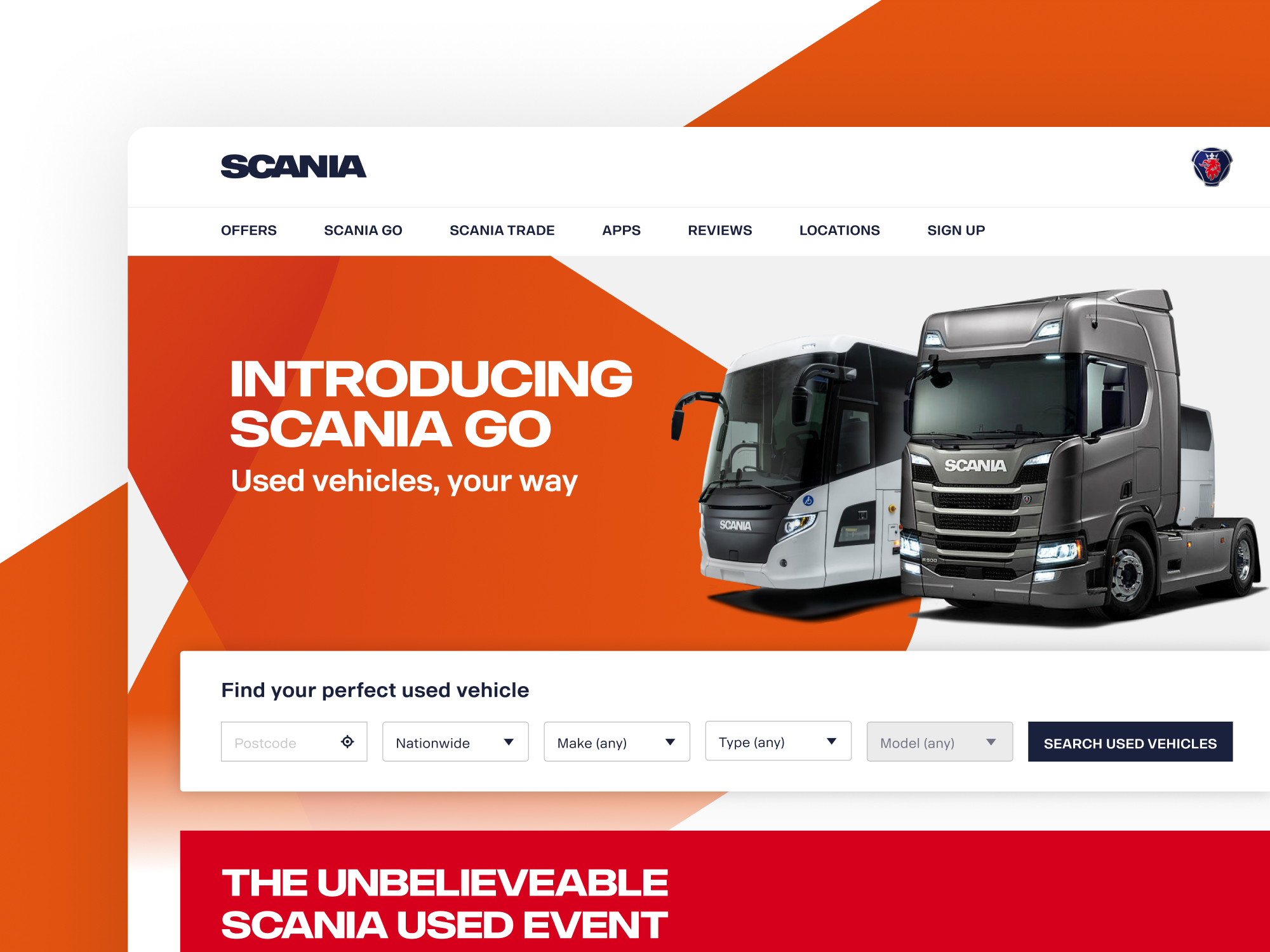
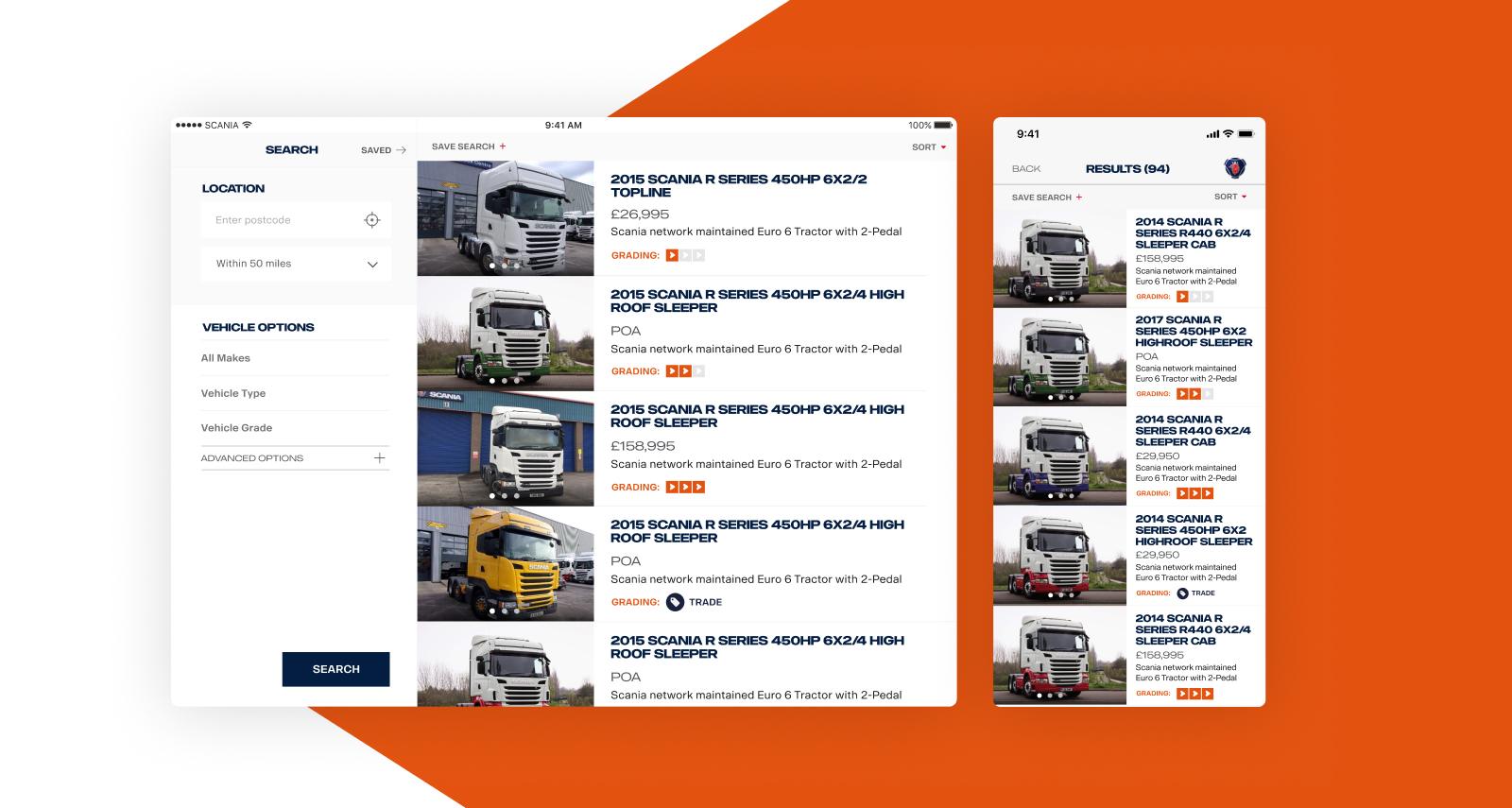
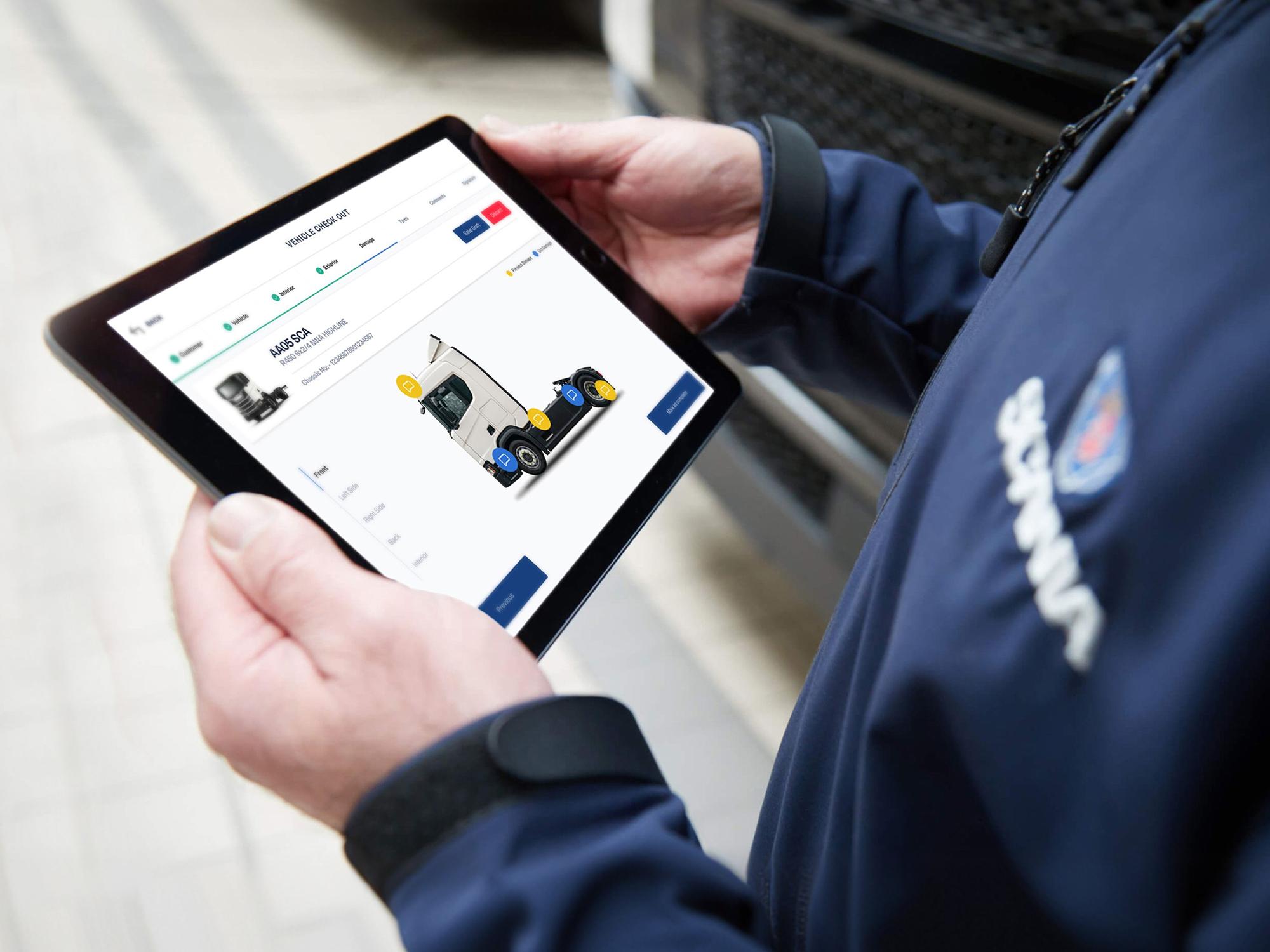
A 35% increase in vehicle listing engagement and 100% dealer adoption across 200 dealers. We redesigned the Scania Go platform across web, iOS, Android, and admin portal, delivering strong, sustained growth in traffic and engagement from day one.
Services
A configurator that loses buyers. A used platform that doesn't show the stock. An aftersales journey that treats customers like a service ticket. We'd like to talk.
How we work


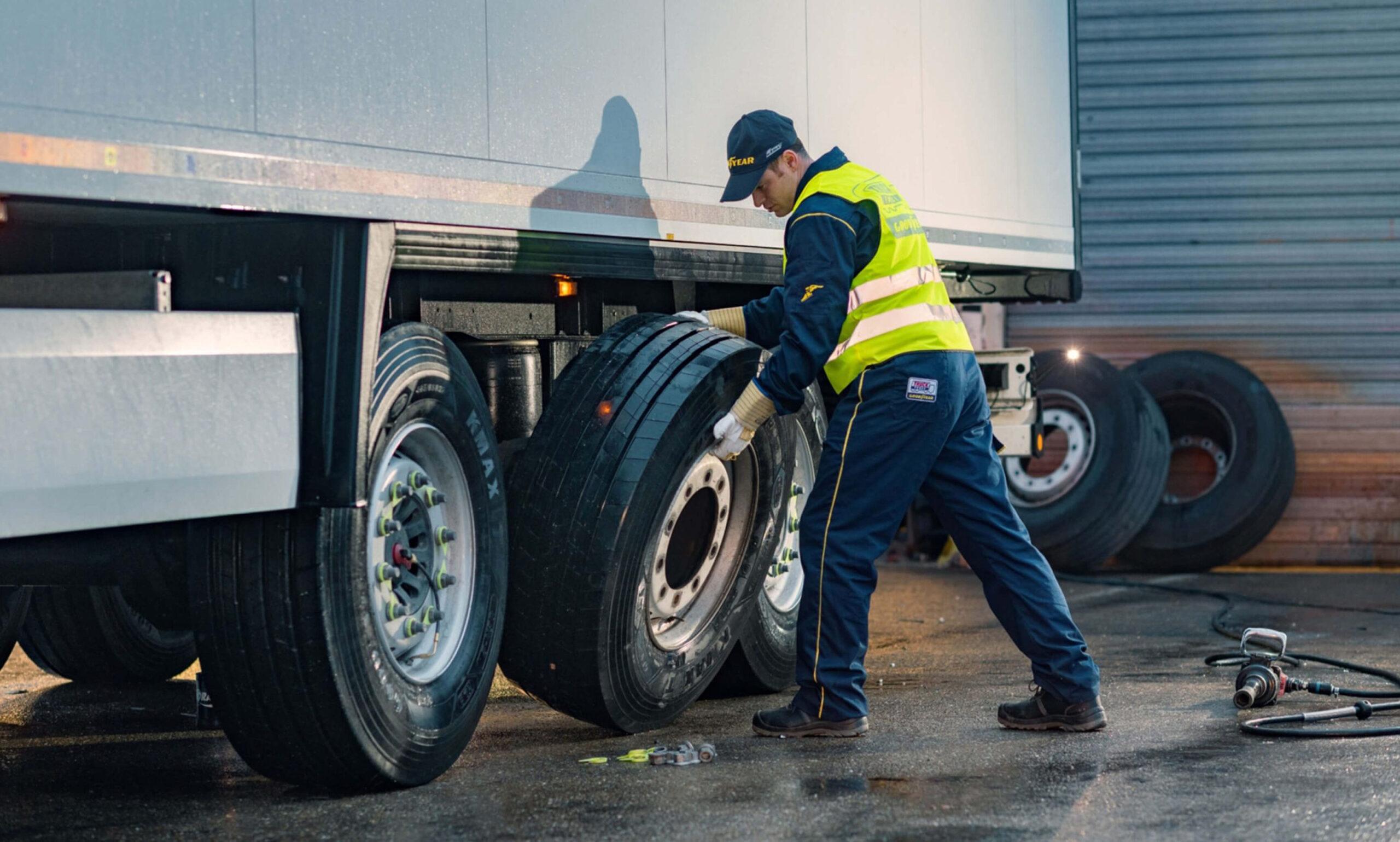
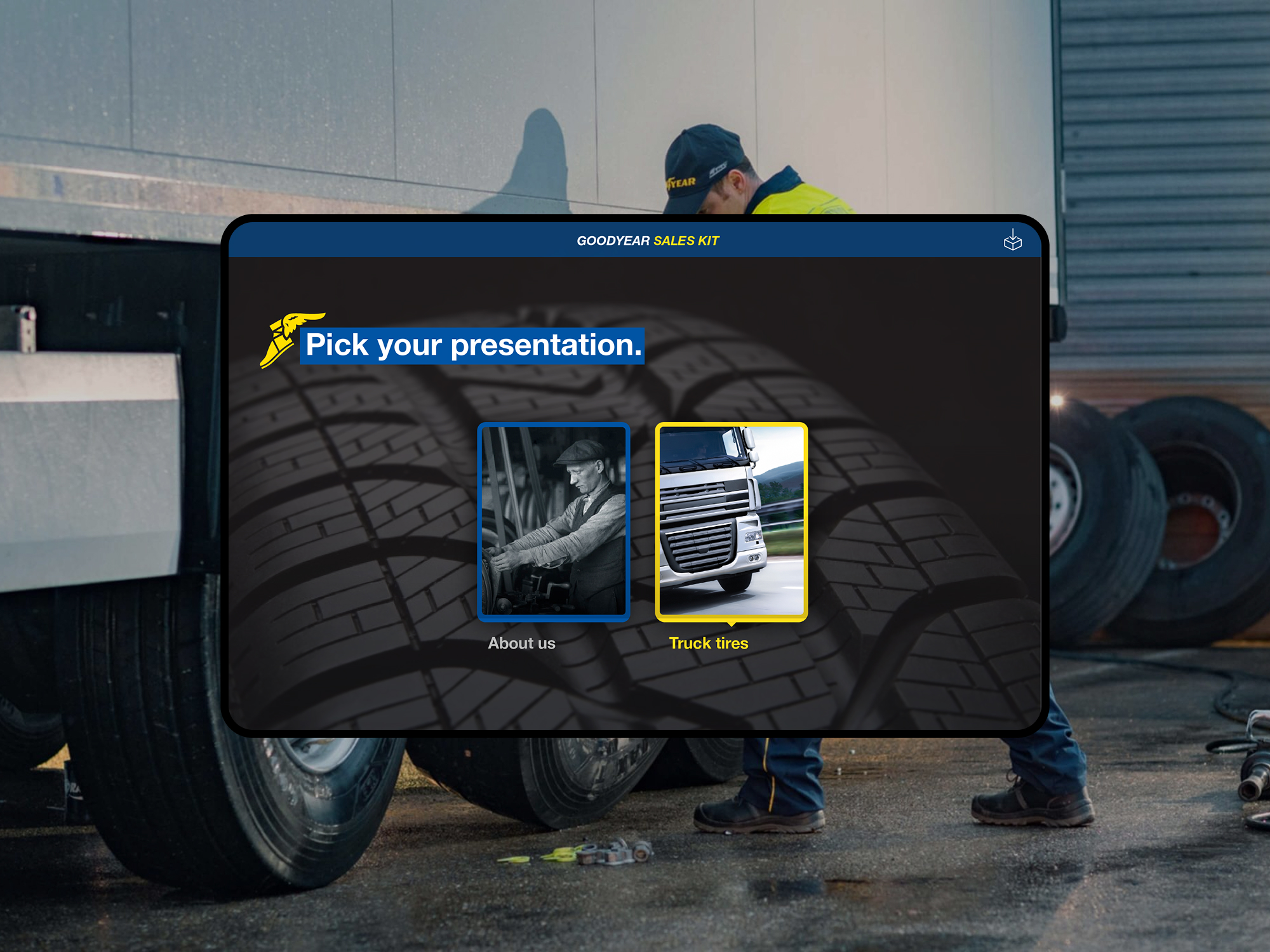
The app was so well received it has grown to be used by several brands across multiple product ranges.

Goodyear Dunlop Tyres Ltd (UK)
What good automotive digital looks like, and what to expect from a partner who’s built across OEMs, dealer networks, and used vehicle platforms. Browse below, or talk to the team.
Substantial. We've digitised vehicle handover at scale, built fleet management products using connected vehicle data, and delivered commerce and dealer tooling for manufacturers selling through networks. Automotive combines long purchase cycles, a three-way commercial relationship and heavy product data, and we've spent years working out how to make those three agree.
All three. OEMs own the brand, the product data and the customer promise. Dealers own the relationship, the margin and the last mile. Aftermarket owns the years after the sale, which is where most of the lifetime value sits. Work that ignores any of the three tends to be quietly abandoned by whoever was left out.
Both. Automotive estates come with a DMS, a configurator, stock feeds and manufacturer systems you don't control. We integrate with them and rebuild the parts that are losing you enquiries, usually search, stock accuracy and the handover between online and showroom. Full replacement is a last resort, and we'll show our reasoning either way.
We agree the commercial rules before we design a screen. Who owns the lead, who sets the price, who sees the customer data, who handles the follow-up. Those answers change the product, and leaving them vague is how dealer adoption fails. Once agreed, we build them in so nobody has to police it manually.
Discovery runs three to four weeks, including time with dealers rather than just head office. A focused improvement such as stock search or an enquiry flow ships in eight to 12 weeks. Network-wide platforms run nine to 12 months, piloted with a small group of dealers before rollout so adoption problems surface early.
Driven by integration depth and how many parties have to sign it off, so we scope first. Discovery is fixed price and gives you a phased plan with costs, dependencies and named risks. We've returned 2.5x on investment within the first year of going live, which is the number we'd rather be measured on than a day rate.
Where the data supports it. Vehicle imagery, spec matching, lead scoring and predictive servicing all benefit, and connected vehicle data makes automotive one of the better sectors for it. In-car assistants are largely a marketing race. We're AI-native in how we build, which shortens delivery, and human-led on what we recommend you invest in.
Yes, and automotive programmes almost always need it. There's usually a manufacturer platform team, a dealer group's own IT and incumbent suppliers with their own roadmaps. We work inside that, take clear accountability for our scope and put senior people on it. Delivery stays with our UK teams, with no offshore handoff.