Most telecommunications apps are billing screens. We design for the everyday moments, the ones that earn loyalty before the renewal.




Our point of view on telecommunications
Customer loyalty in this sector isn't won at contract renewal. It's won in the everyday: the coverage that works on the train, the activation that doesn't take an hour, the work app that quietly does its job. We design for those moments, not the price page.
What we solve


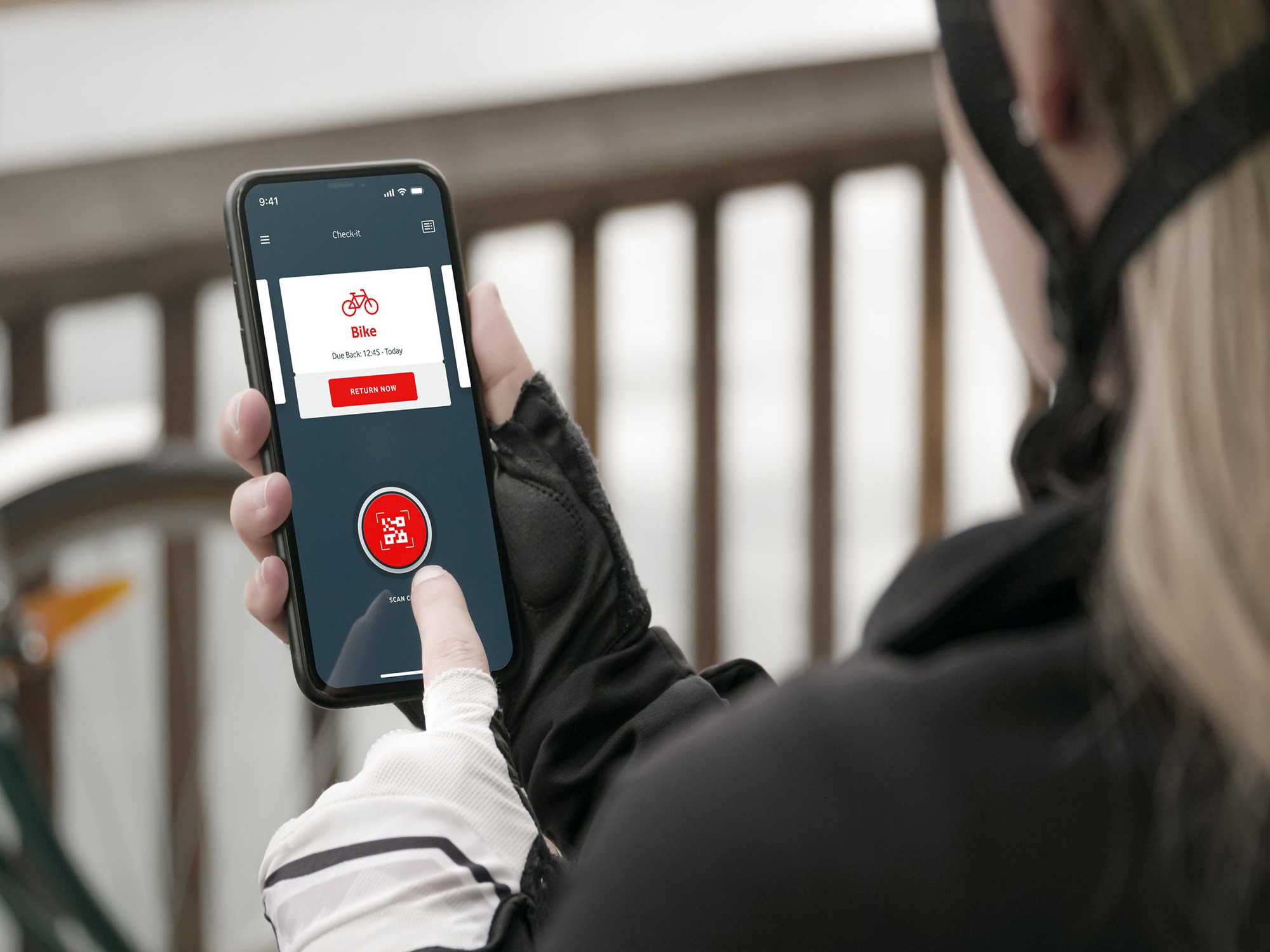
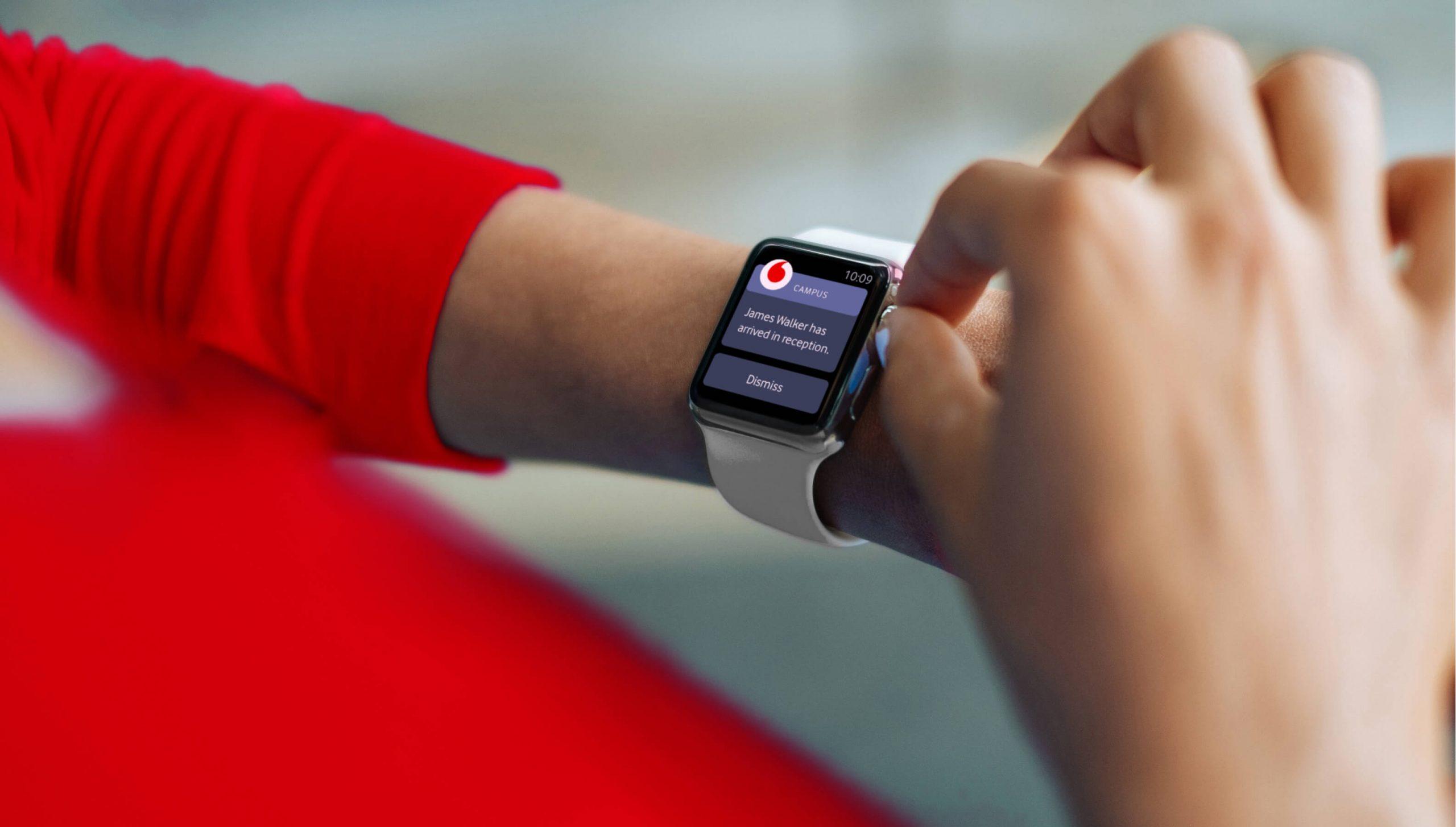
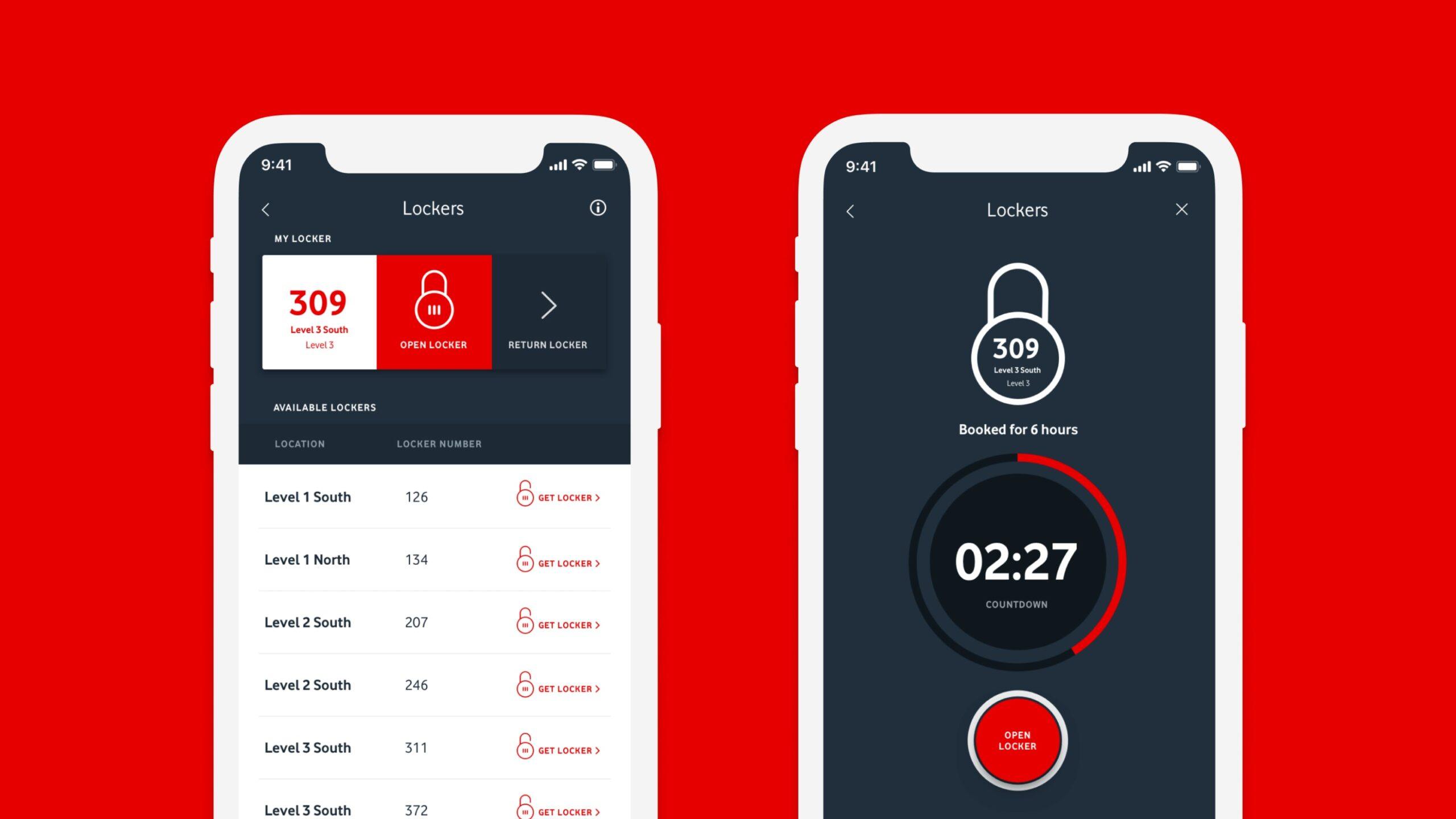
80%+ daily active usage, a 25% increase in meeting space utilisation, and a 30% reduction in underused facilities. We designed and built VLife, a native app integrating real-time wayfinding, smart booking, and building controls across Vodafone’s 18,000m² Auckland campus.
Services
A customer app that needs to earn the second open. An enterprise portal hiding everything important. A workforce platform that needs to scale. We'd like to talk.
How we work


Working with Atomic has helped us deliver exceptional products over the years. Their work has always been phenomenal, and we hope to work with them in the future.

New Zealand
Vodafone
What good telecommunications digital looks like, and what to expect from a partner who’s built across consumer, enterprise, and workforce platforms. Browse below, or talk to the team.
We've delivered connectivity and network-facing products for telecoms operators, including work that took a connectivity product live on the other side of the globe. That means handling provisioning, coverage data, self-service and support at the same time. Telecoms punishes vague requirements, so we get specific early and design for the failure cases.
Both, and the split matters. Consumer telecoms lives or dies on self-service, because every avoidable call costs margin. Enterprise networks live or die on visibility, service levels and support an account manager can stand behind. We've built for both, and we won't reuse a consumer pattern on an enterprise customer who needs an audit trail.
Both. In telecoms the interesting problem is almost always the BSS and OSS layer, not the front end. We integrate with billing, provisioning and CRM rather than proposing to replace them, and we're realistic about what a legacy stack can expose. Where the constraint is architectural, we'll show you the trade-offs rather than the wish list.
We design for them from the first workshop, not at the security review. Ofcom obligations, consent, data residency and accessibility requirements shape architecture, so they belong in discovery. We hold ISO 27001 and Cyber Essentials Plus, and our teams are used to working inside change control that wants evidence rather than assurances.
Discovery runs three to five weeks, because integration and compliance mapping take real time. A self-service or support improvement can ship in 10 to 14 weeks. Full programmes typically run nine to 15 months, released in phases so each one clears its own governance instead of waiting for a single high-risk launch.
More honestly answered after discovery than before it, because integration depth is the main variable and nobody can see it from the outside. Discovery is fixed price and produces a costed, phased plan with the integration risks named. We price risk visibly rather than hiding it in a contingency line you find later.
Selectively. Network anomaly detection, churn prediction and support triage are genuinely useful, and telecoms has the data volume to make them work. Fully automated customer resolution is not there yet, and pretending otherwise damages trust and your call centre. We're AI-native in delivery and human-led on the decisions, and we'll show you the evidence either way.
Yes, and in telecoms that's the norm. You'll have platform vendors, network partners and an internal engineering function with its own roadmap. We work inside your governance and release cycles rather than asking you to bend them, and we've had 25 years of practice at being the team that makes other people's systems agree.