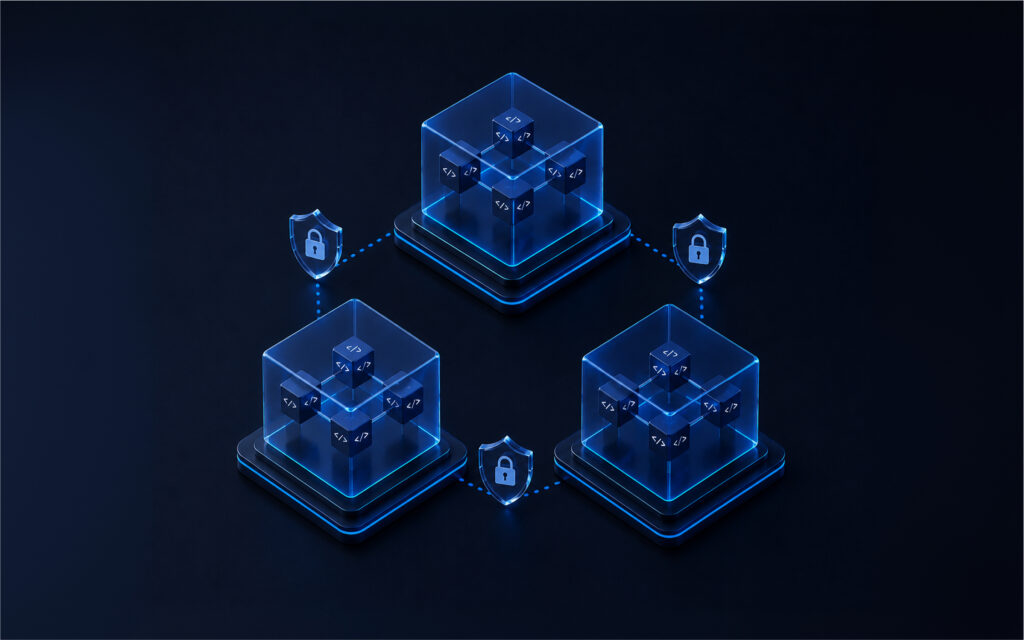
We define the testing approach, establishing what needs to be tested, how, and what the acceptance criteria are.



Defects cost more in production than in testing
We embed quality throughout the development lifecycle, not just at the end. From test strategy to performance validation, we provide the rigour that lets your teams move fast without breaking things.



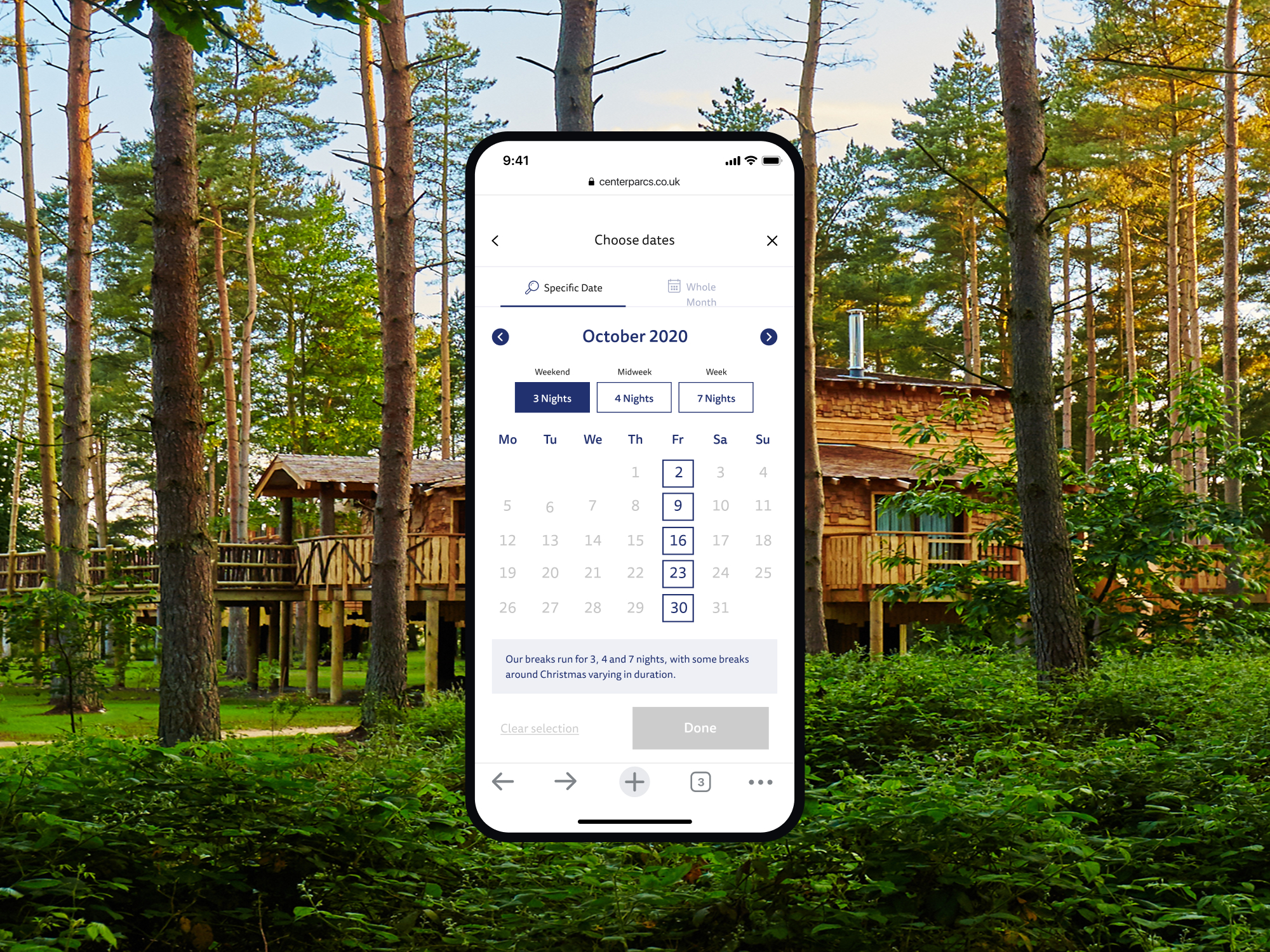
Our partnership with Atomic has been essential in delivering a new level of digital convenience for our guests. The app enriches each stage of their short break, aligning perfectly with our commitment to offering the best possible guest experience.

Head of Digital
Center Parcs


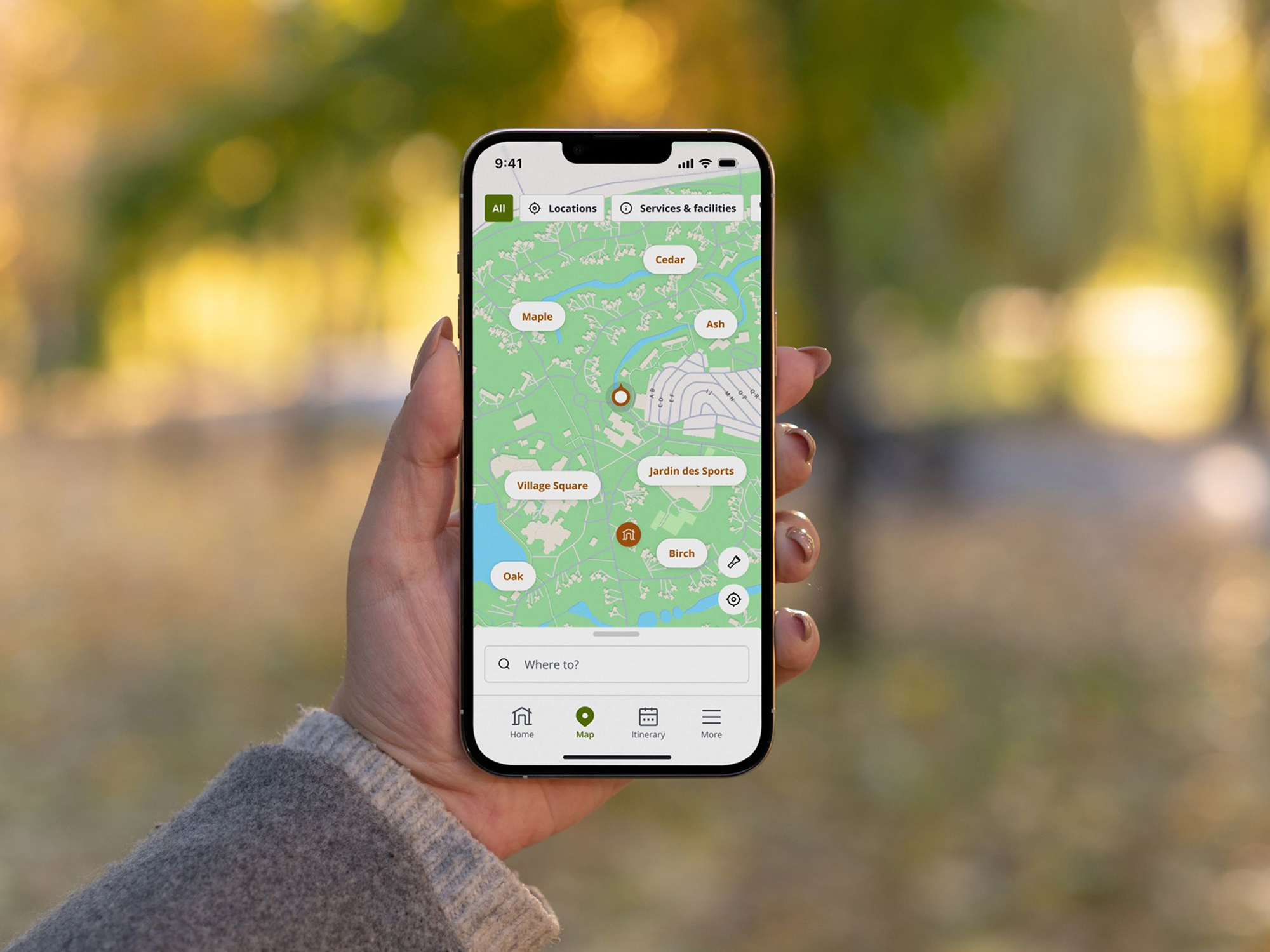
Over 70,000 downloads in its first week, a 15% uplift in bookings, and No.1 in the travel app charts. We designed a native iOS and Android app that made it simpler for Center Parcs guests to plan, book, and get the most from their stay.


Atomic's testing team provides the manual and automated quality assurance your software needs to reach production in the condition your users expect and your business requires.
Software testing is the process of verifying that your product works as intended, identifying defects before they reach users and ensuring quality is built in throughout development.
Manual testing involves a person executing test cases to find defects. Automated testing uses scripts to run checks repeatedly and quickly. Both have a role in a thorough testing strategy.
Throughout. Testing only at the end is expensive and risky. Shifting testing left, starting early in development, catches defects when they're cheapest to fix and least disruptive.
Functional testing, regression testing, performance testing, security testing, accessibility testing, cross-browser and device testing, and API testing, scoped to what your product needs.
By risk and user impact. We focus testing effort on the most critical user journeys, the highest-risk components, and the areas most likely to contain defects based on complexity and change.
We build regression test suites covering the most critical functionality and run them after every significant change, catching any unintended side effects before they reach users.
Testing investment varies by product complexity, testing scope, and the mix of manual and automated work required. We scope every engagement individually and give a clear estimate upfront.
Timeline depends on the scope of testing and the state of the product. A targeted test cycle for a release typically takes one to two weeks. Larger programmes run alongside development.
Access to your product or test environment, any existing test documentation, and a clear brief on what needs to be tested and the risks we should prioritise.
Yes. We regularly provide independent testing for software built by other agencies or in-house teams. Independent testing catches things internal teams, too close to the work, often miss.