We assess your current state, define scope and governance, and create a roadmap for building at scale.


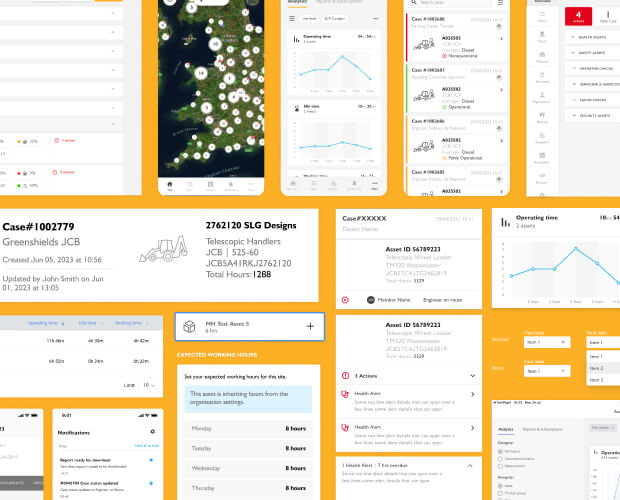
A design system costs less than inconsistency
As products grow, inconsistency compounds. Duplicate components, mismatched styles, and disconnected teams slow everything down. We design systems that give your teams a shared language and the foundations to move faster.


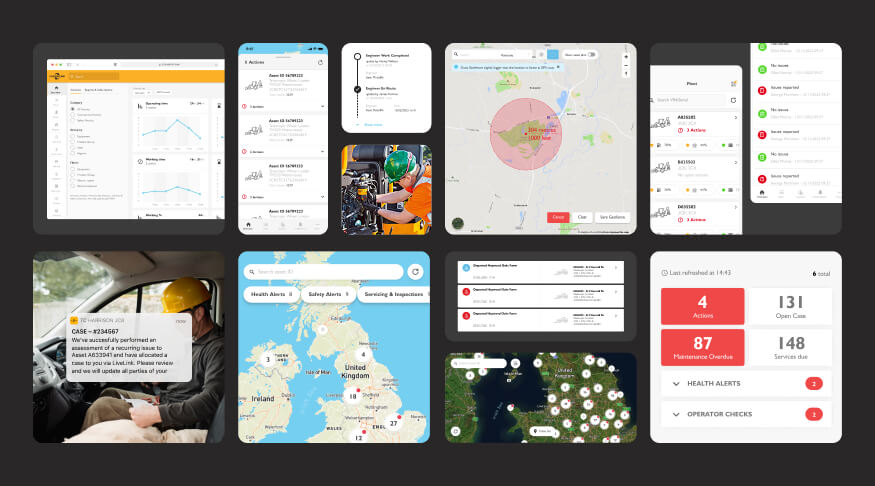
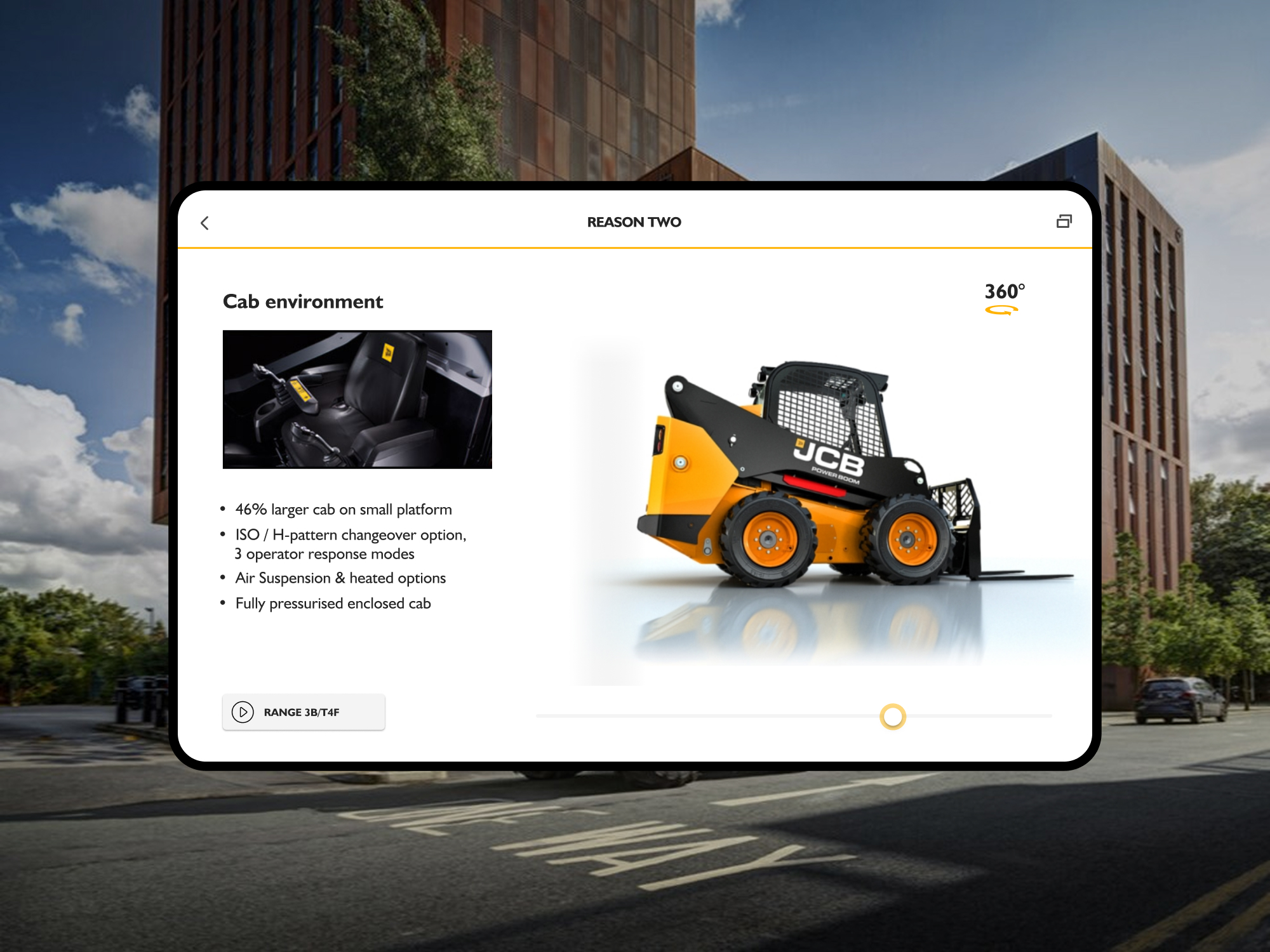
Atomic helped us translate our ambition into a solid technical plan. Their advice gave our internal team the insight they needed to scale fast and optimise spend.

General Manager
JCB


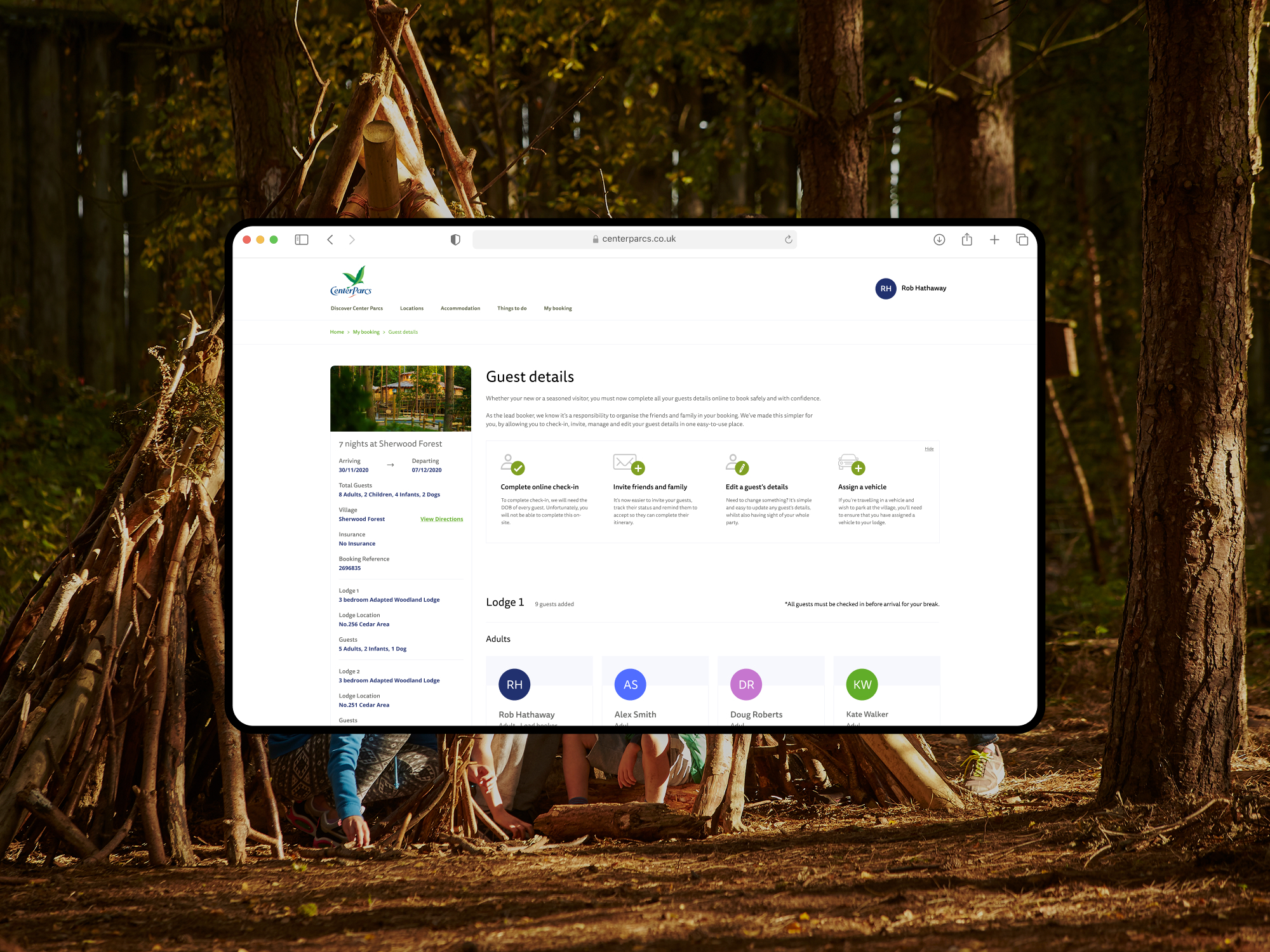
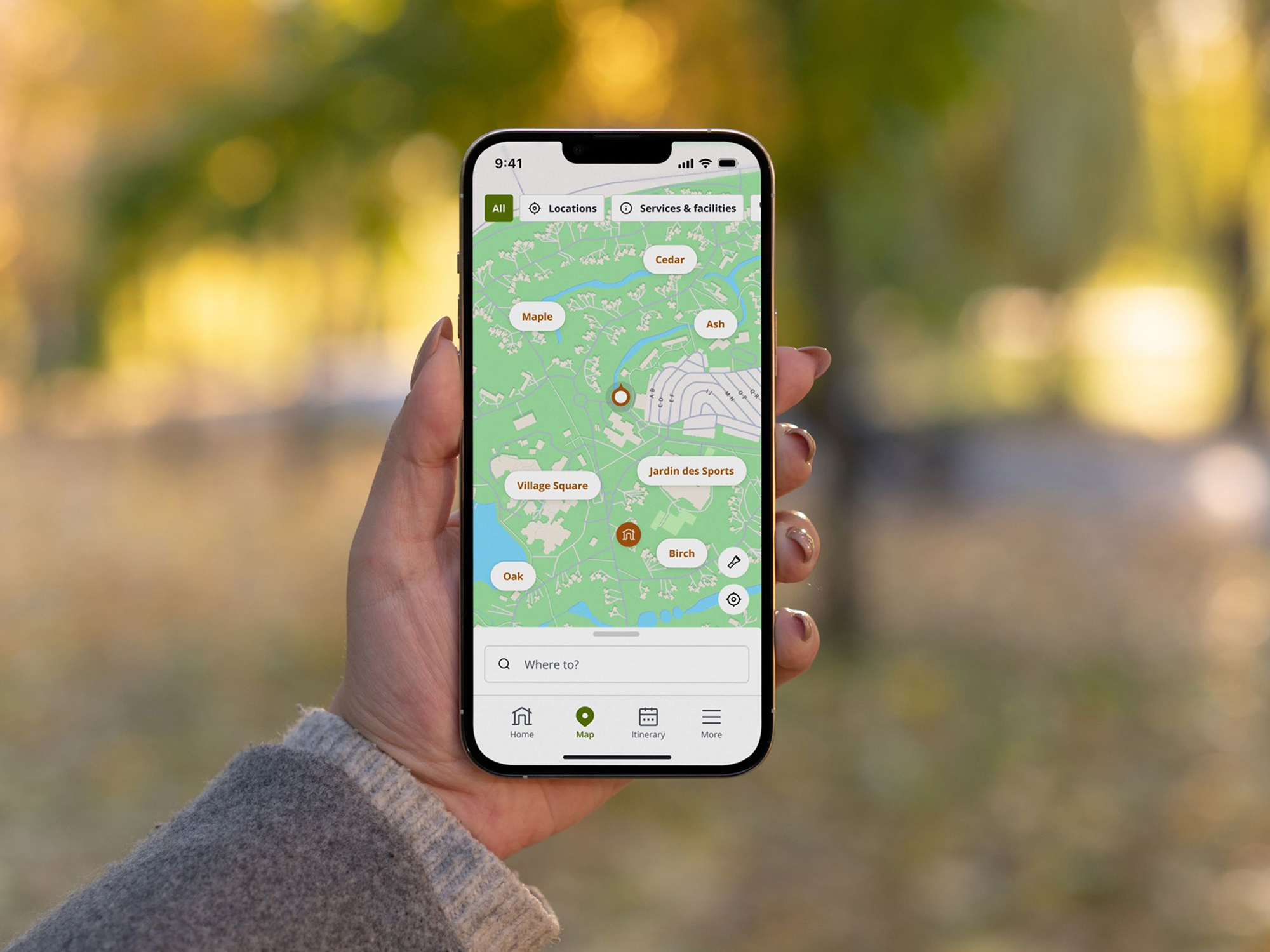
Too many guests were abandoning the pre-arrival process before completing their check-in. We redesigned the journey through user research and moderated testing, reducing friction and significantly increasing the number of guests completing online ahead of their stay.


Every new feature built without a design system is technical debt in disguise. Atomic's design systems team works with ambitious brands to build the foundations that accelerate design, align teams, and deliver a consistent product experience at any scale.
A design system is a shared library of components, tokens, and guidelines that enables design and development teams to build consistent, high-quality digital products faster.
Without a design system, teams spend time recreating the same components and making inconsistent decisions. A design system saves time, improves quality, and reduces technical debt.
A component library is just the UI elements. A design system is the full framework: design tokens, documentation, guidelines, and governance that ensures adoption across your teams.
A foundational design system typically takes eight to twelve weeks. The timeline depends on the number of components, your product complexity, and what already exists in your codebase.
Design system investment varies by scope and the size of your product landscape. We scope every engagement individually and give a clear estimate after an initial conversation.
Yes. We review your existing design system for coverage, consistency, and adoption gaps, then prioritise the improvements that deliver most value to your design and development teams.
We build adoption into every engagement, embedding the system into real workflows, producing documentation teams will actually use, and providing training to build internal confidence.
We build design systems in Figma and document them in Storybook, with design tokens that connect to your codebase. We work with your stack and match your existing tooling.
Access to your existing design files and codebase, clarity on the products the system needs to cover, and key design and engineering stakeholders involved from the start.
Yes. We always work alongside your teams, building internal capability as we go. The goal is a system your teams own and can maintain long after our engagement ends.