Ideas brought to life

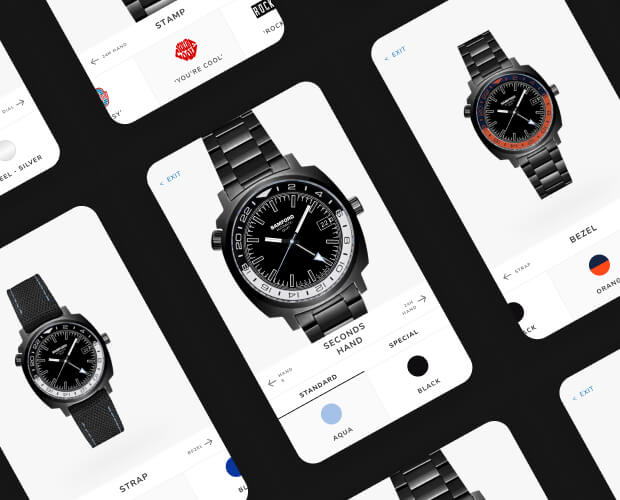
Our Prototyping service brings ideas to life, fast. We create interactive, realistic models that let you test, validate, and refine concepts before development, revealing user insights and reducing risk.
A computer screen displays a complex app prototype in Figma, showing many connected frames, blue wires, and interface elements. The right panel shows prototype settings and a black phone preview.

Validate ideas before you commit to building them

We make ideas real before
you commit to building them

Prototyping is how we turn assumptions into evidence. We build interactive models at the right fidelity, test them with real users, and give you the clarity to commit to development with confidence.

Our prototyping service capability

We prototype to answer the questions that matter before development begins, building models your team can test to make confident decisions early and reduce the cost of getting it wrong. Our prototyping services include:
A blue outlined cursor arrow with a sparkling effect, indicating a click or selection action.

Interactive clickthroughs

We use clickable prototypes that simulate real user journeys, helping teams visualise interactions, test usability, and gather feedback before development begins.
A simple blue loading spinner icon with eight evenly spaced lines radiating from a central point on a white background.

Micro-interaction design

By designing subtle, functional animations and responses that enhance usability we guide users, and bring interfaces to life through intuitive feedback and transitions.
A simple blue lightning bolt icon with rounded edges on a white background.

Rapid iteration

Quickly testing and refining design ideas allows us to improve usability, reduce risk, and ensure the final product effectively meets user needs and business goals.
A blue icon showing a computer monitor with a smartphone overlapping its lower right corner, suggesting device connectivity or screen mirroring.

Cross-device prototyping

We design interactive prototypes that simulate user experiences across various devices—mobile, tablet, and desktop to ensure consistent design, responsive layouts, and seamless interactions.
Blue icon of a blank presentation board or screen on a stand, resembling a tripod easel, against a white background.

Stakeholder demos

Through interactive prototypes used to present ideas to stakeholders, we gather feedback early and align on direction before investing in full development.
A blue check mark inside a blue circle on a white background.

Touchpoint validation

We use prototyping to ensure key touchpoints are intuitive, functional, and user-friendly, especially on handheld devices where clarity and ease of use are essential.

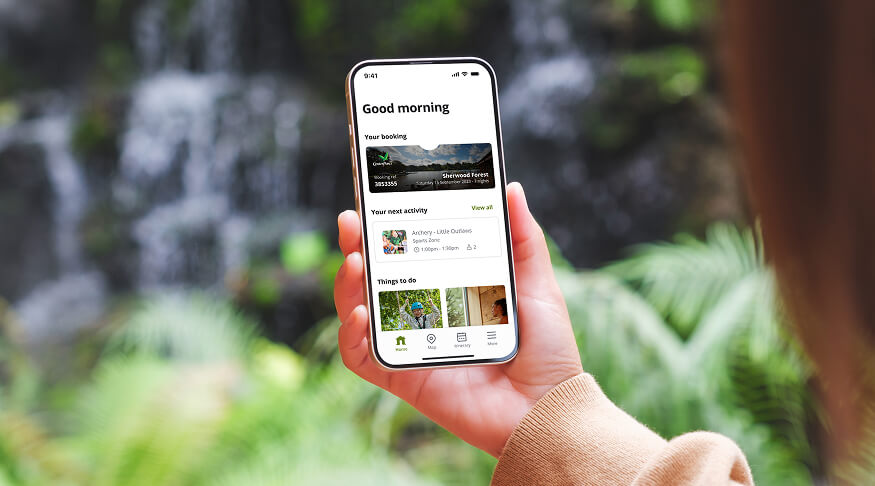
Our partnership with Atomic has been essential in delivering a new level of digital convenience for our guests. The app enriches each stage of their short break, aligning perfectly with our commitment to offering the best possible guest experience.

We succeed together.

How we brought Vodafone's
customer personas to life with AR

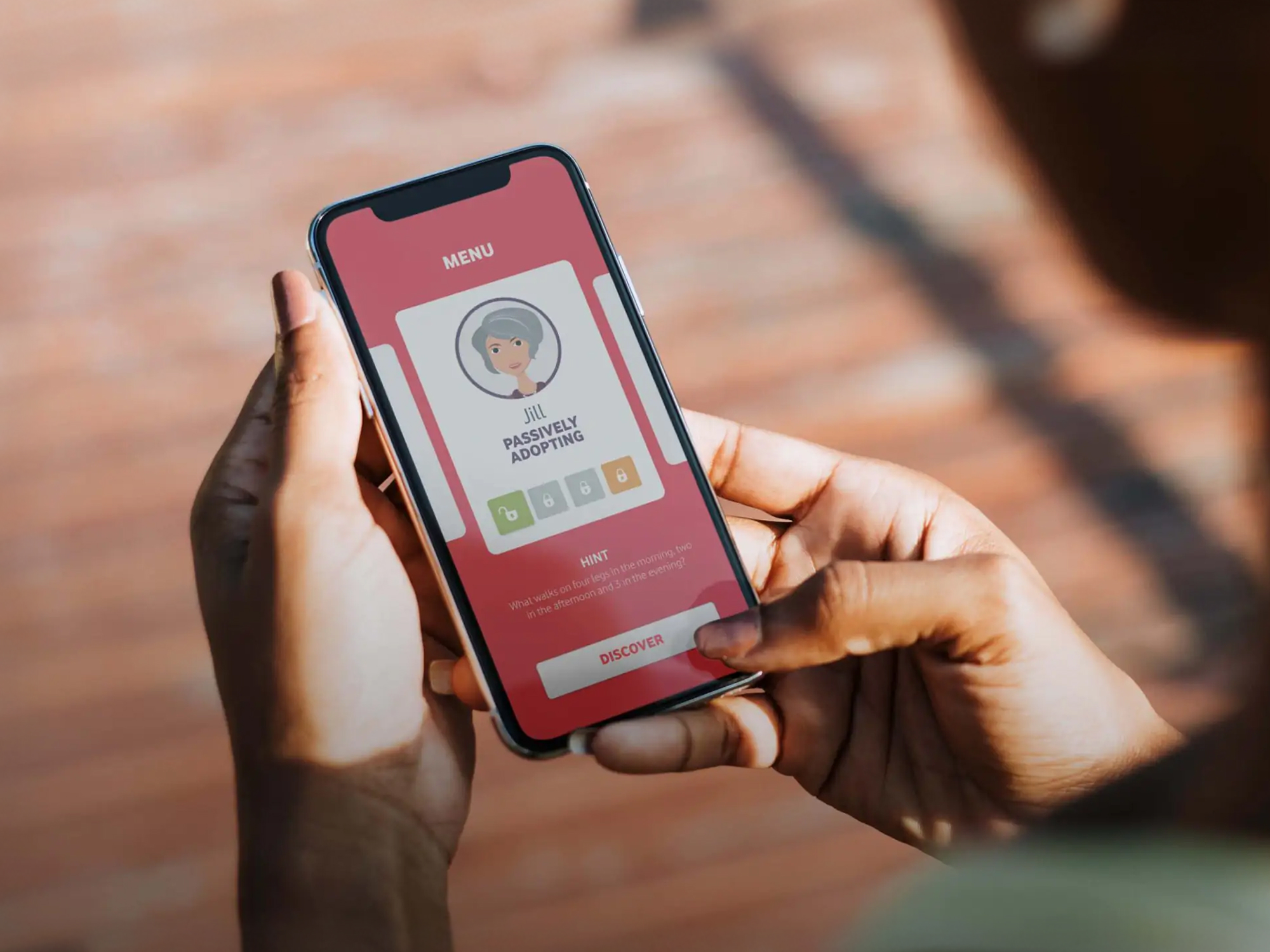
8,000+ employees engaged in the first week, 86% passing the knowledge test, and 95% saying the app made personas more relatable. We built a native AR app turning Vodafone’s seven customer personas into 3D characters, later adopted as nationwide customer-facing templates.

Our prototyping approach is built on one thing: test the idea before you build the product

Start with the right question

Every prototype starts with a clear hypothesis. We define what we're trying to learn before we build a single screen.

Test early, iterate fast

We get prototypes in front of real users as soon as possible. What we learn shapes what we build next.
A blue check mark inside a blue circle on a white background.

Prototype to decide, not to impress

A prototype is a decision-making tool, not a deliverable. We build them to remove uncertainty and give you confidence to commit.

The prototype you skip 
is the mistake you ship

Atomic's prototyping team works with product and design teams from early concept through to pre-development validation, building interactive models that test ideas, surface real user insight, and give your team the confidence to commit to the right build.

Got questions about prototyping?

Get in touch

Prototyping is the process of building an interactive model of a product or feature to test how it works before development begins. It replaces assumptions with evidence.

Prototyping catches problems early, when they're cheap to fix. It gives stakeholders something real to react to and gives your development team something clear to build from.

Not always, but usually. If there's any ambiguity in how something should work or feel, a prototype is faster and cheaper than resolving it mid-development.

Yes. Feedback is the point. We share prototypes early and often, run structured review sessions, and iterate based on what you and your users tell us.

It depends on what we're testing. We build prototypes at the right fidelity for the question, which sometimes means desktop only and sometimes means fully responsive.

A wireframe shows layout and structure. A prototype is interactive, letting users and stakeholders experience how the product actually works and feels.

A focused prototyping sprint typically takes one to three weeks, depending on the scope and the number of flows we're testing. We scope every project individually.

Prototyping investment varies by scope and fidelity. We scope every project individually and give a clear estimate after understanding what you need to test and why.

A clear brief covering what you're trying to learn, any existing designs or research, and access to the key stakeholders and users we'll be testing with.

Yes. We regularly prototype new features within existing products, helping teams validate ideas before they're added to the development backlog.
Explore our related services

Product design

Design that drives adoption and retention

We take digital products from concept to launch, combining user research, UX strategy, and visual design to create products people actually want to use.

Website design

Websites that convert visitors into customers

We design websites that look exceptional and perform commercially, combining UX strategy, visual design, and SEO thinking to serve your users and your business goals.

Design systems

The shared foundation your teams build on

We build and maintain design systems that give your design and engineering teams a single source of truth, enabling faster, higher-quality, and more consistent product delivery.

Latest from Atomic