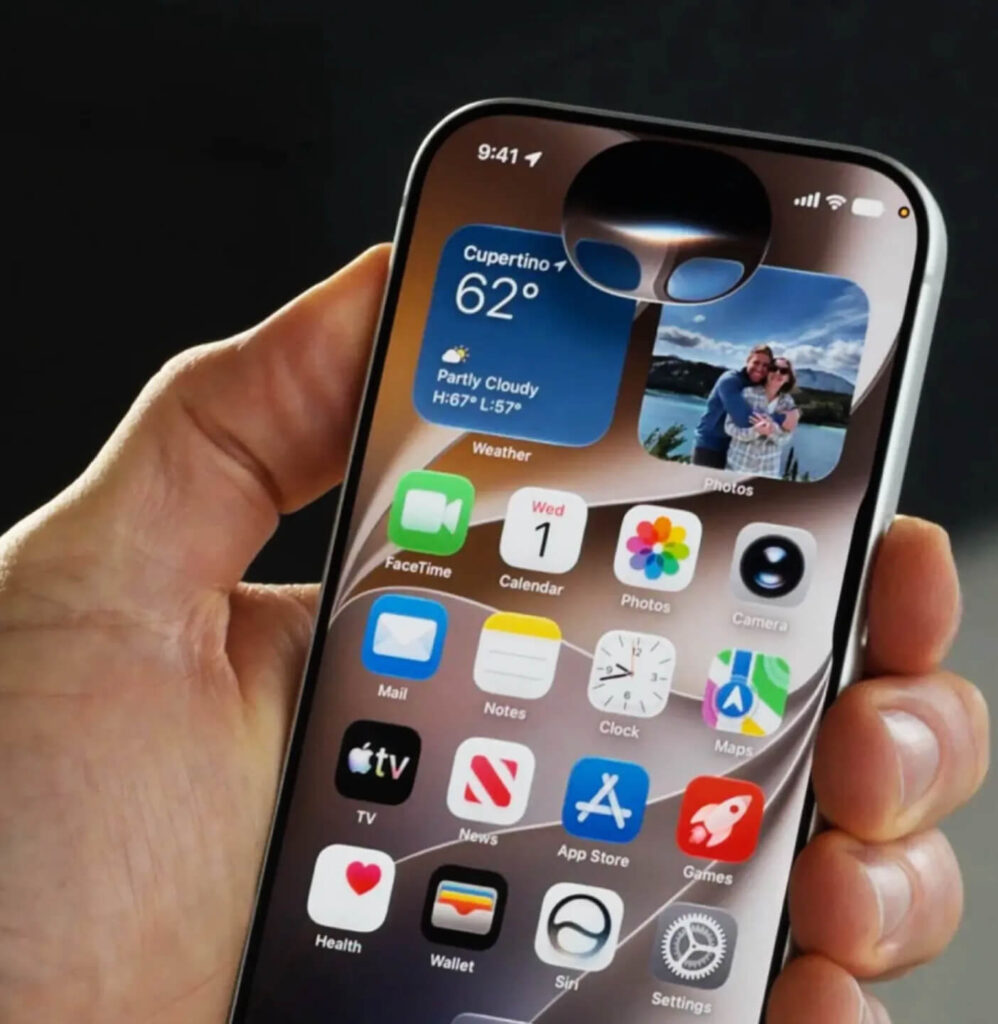
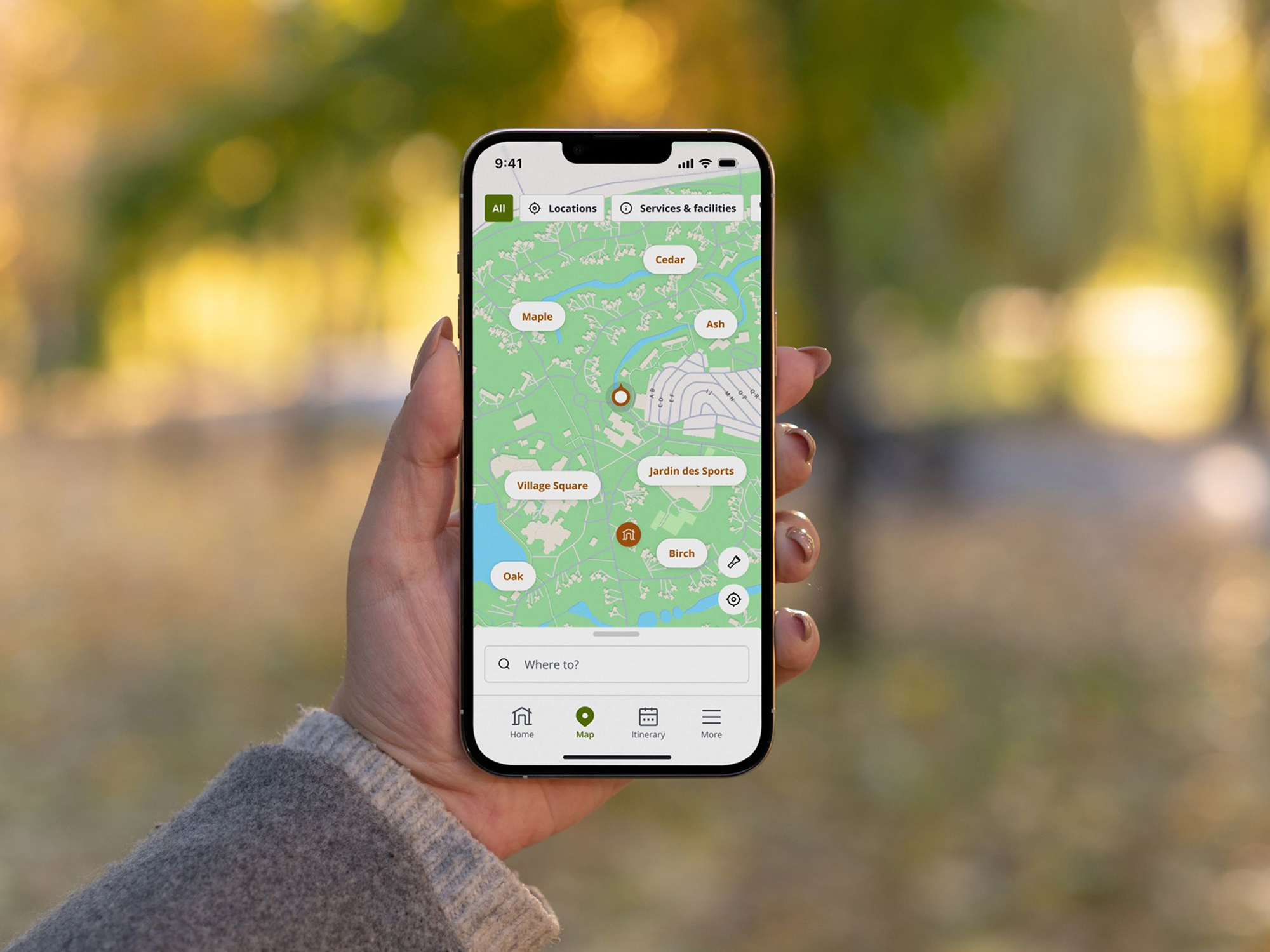
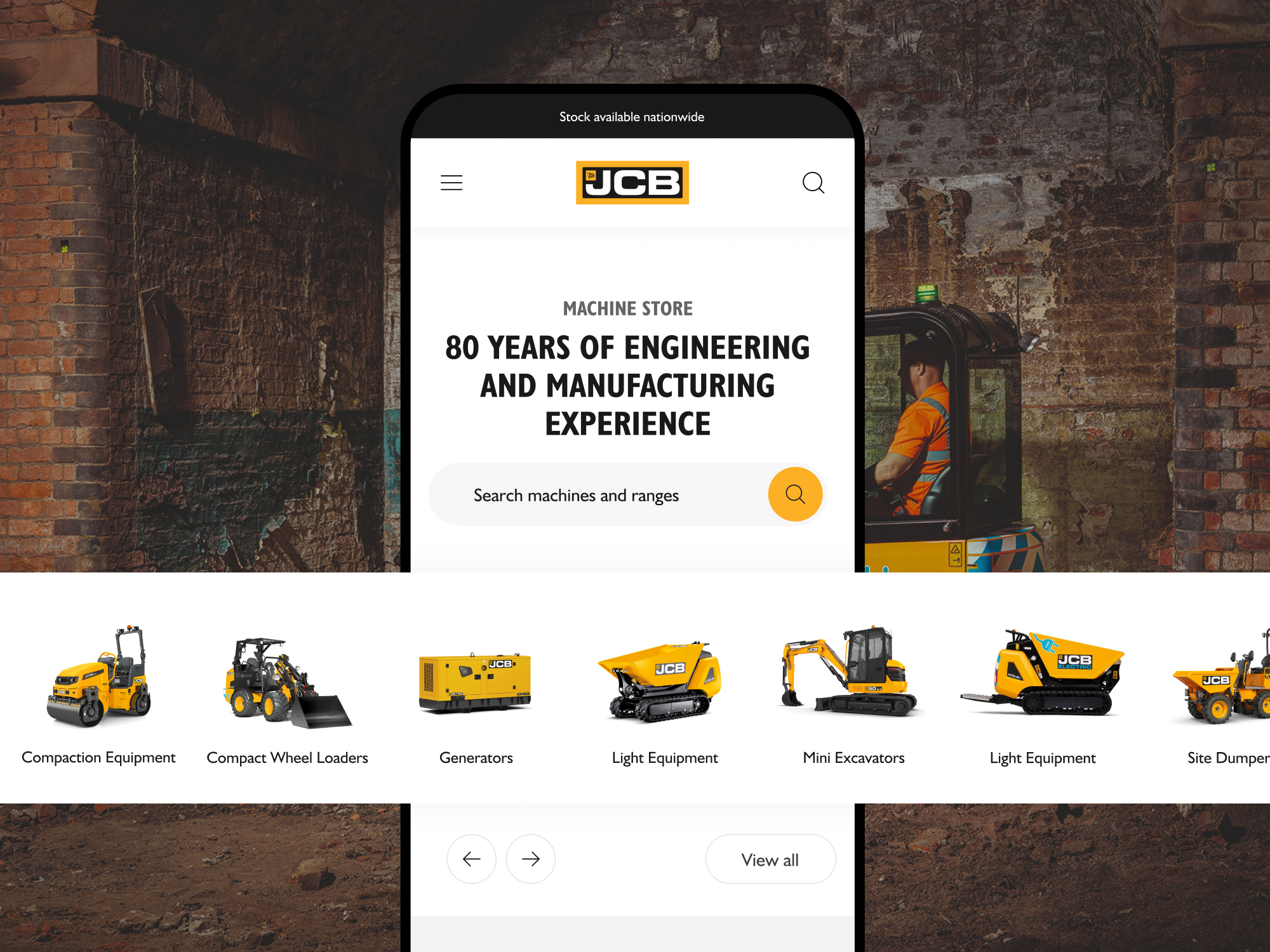
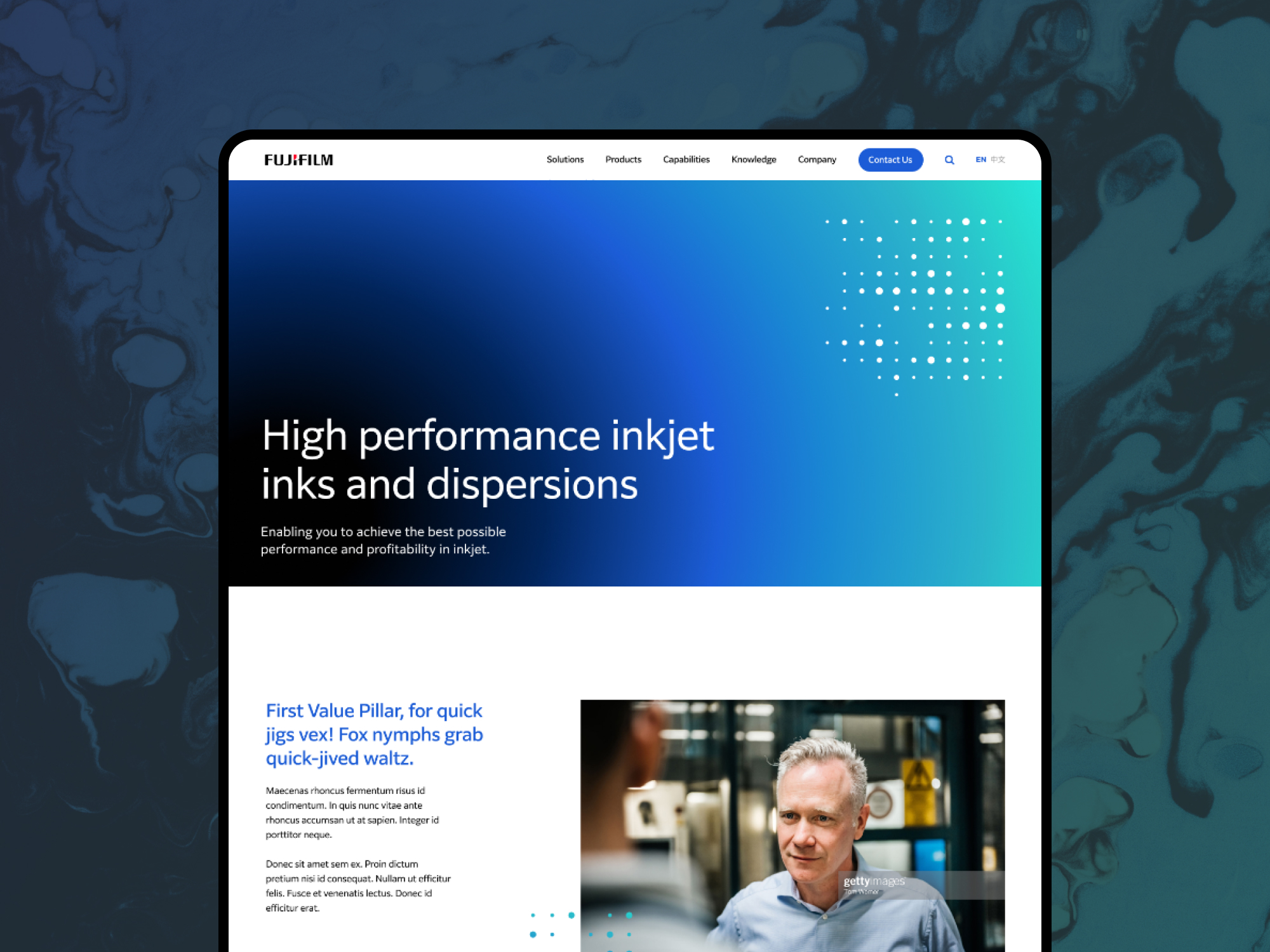
We use clickable prototypes that simulate real user journeys, helping teams visualise interactions, test usability, and gather feedback before development begins.


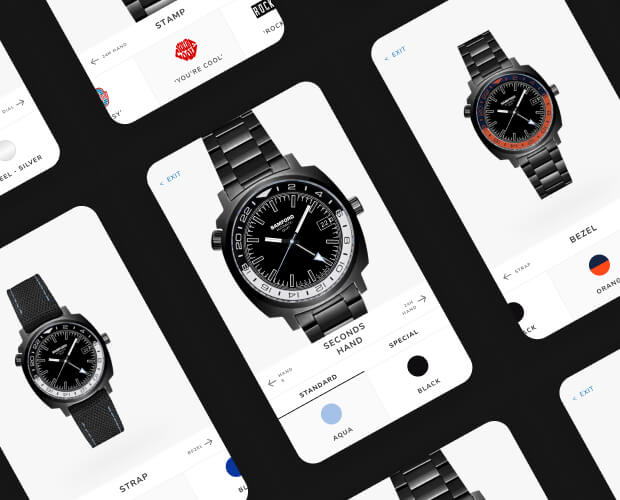
Validate ideas before you commit to building them
Prototyping is how we turn assumptions into evidence. We build interactive models at the right fidelity, test them with real users, and give you the clarity to commit to development with confidence.


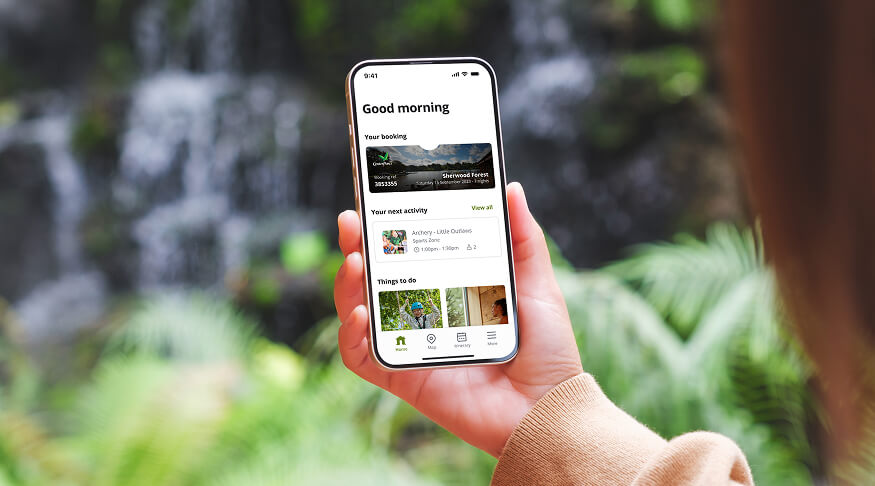
Our partnership with Atomic has been essential in delivering a new level of digital convenience for our guests. The app enriches each stage of their short break, aligning perfectly with our commitment to offering the best possible guest experience.

Head of Digital
Center Parcs


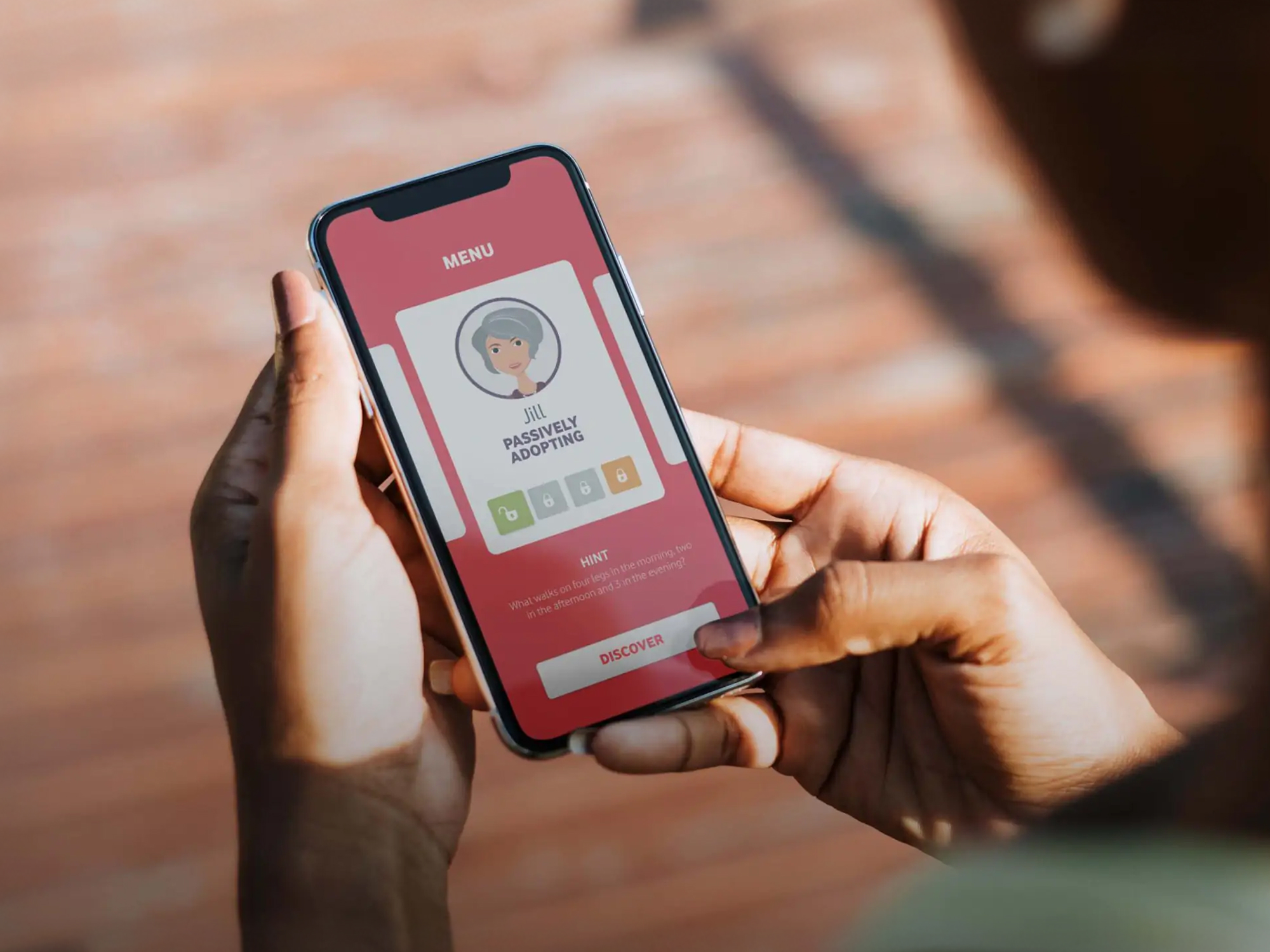
8,000+ employees engaged in the first week, 86% passing the knowledge test, and 95% saying the app made personas more relatable. We built a native AR app turning Vodafone’s seven customer personas into 3D characters, later adopted as nationwide customer-facing templates.


Atomic's prototyping team works with product and design teams from early concept through to pre-development validation, building interactive models that test ideas, surface real user insight, and give your team the confidence to commit to the right build.
Prototyping is the process of building an interactive model of a product or feature to test how it works before development begins. It replaces assumptions with evidence.
Prototyping catches problems early, when they're cheap to fix. It gives stakeholders something real to react to and gives your development team something clear to build from.
Not always, but usually. If there's any ambiguity in how something should work or feel, a prototype is faster and cheaper than resolving it mid-development.
Yes. Feedback is the point. We share prototypes early and often, run structured review sessions, and iterate based on what you and your users tell us.
It depends on what we're testing. We build prototypes at the right fidelity for the question, which sometimes means desktop only and sometimes means fully responsive.
A wireframe shows layout and structure. A prototype is interactive, letting users and stakeholders experience how the product actually works and feels.
A focused prototyping sprint typically takes one to three weeks, depending on the scope and the number of flows we're testing. We scope every project individually.
Prototyping investment varies by scope and fidelity. We scope every project individually and give a clear estimate after understanding what you need to test and why.
A clear brief covering what you're trying to learn, any existing designs or research, and access to the key stakeholders and users we'll be testing with.
Yes. We regularly prototype new features within existing products, helping teams validate ideas before they're added to the development backlog.