


19 Sep 2025


This latest iteration of their mobile operating system brings a suite of innovative features and refinements designed to enhance user experience, boost productivity, and offer a more personalised interface. Matt Heaney, Mobile Engineering Manager at Atomic, explores the updates and what they mean for users and developers alike.
Apple’s iOS 26 introduces a range of significant updates, each with implications for both user experience and app development.
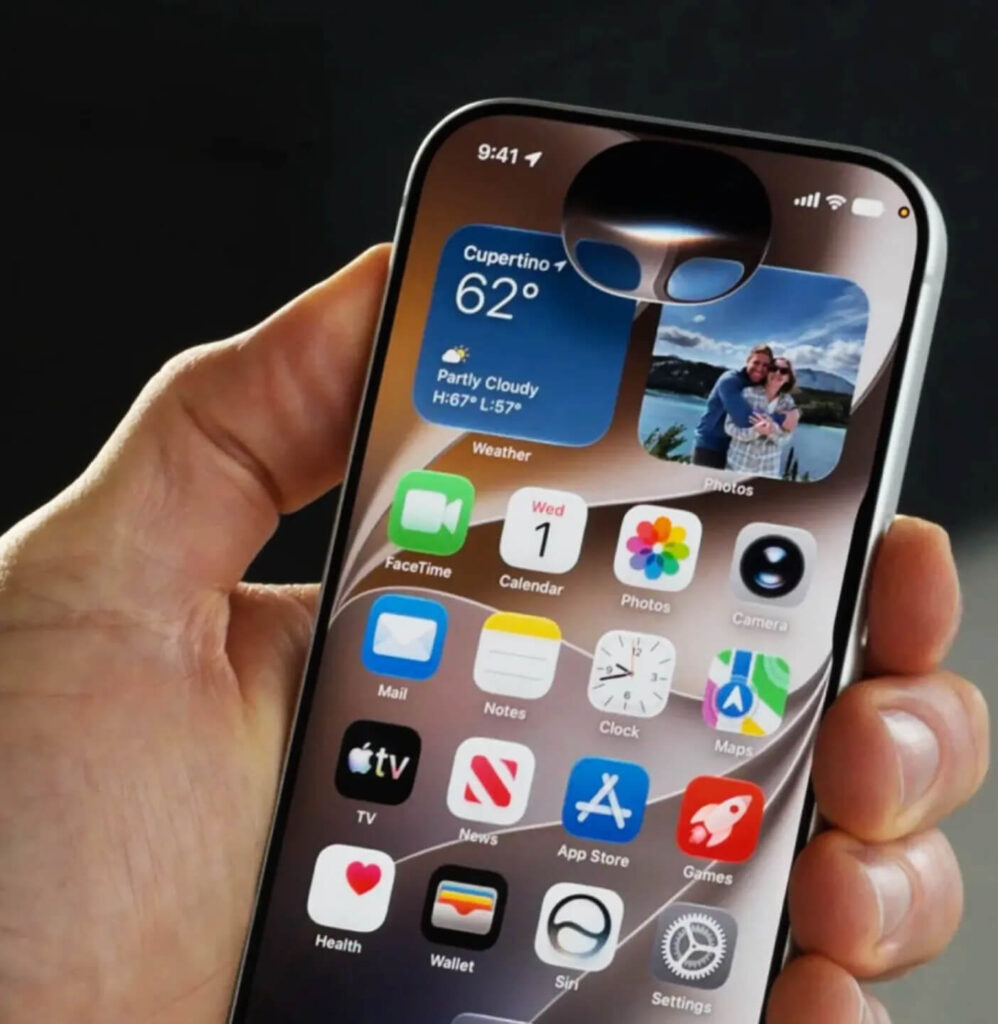
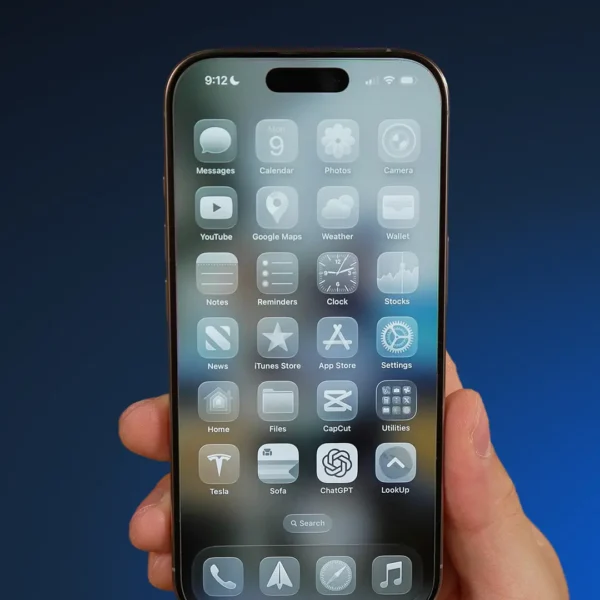
A new Liquid Glass design system, giving the operating system a new transparent feel, bring consistency across all Apple platforms.
New Foundation Model APIs provide developers deeper and smarter access to Apple Intelligence
Advanced Privacy and Security Features remain a core focus, with expanded AI-driven privacy.
Smarter Notifications and Focus Modes leverage on-device intelligence for prioritisation.
Revolutionary Camera and Photo Capabilities expand mobile photography with AI enhancements and new editing tools.
Apple’s latest developer tools and workflow updates feature significant enhancements to Xcode 26. These improvements include integrated AI assistance, powered by OpenAI and Claude, as well as broader workflow improvements across debugging, profiling, and collaboration.
Furthermore, Apple has shifted its naming convention from sequential numbering to a year-based system (e.g., iOS 26, iPadOS 26, visionOS 26), emphasising consistency across all platforms, including iOS, iPadOS, and visionOS.
The core design and UI introduce “Liquid Glass Design,” a translucent, glass-like aesthetic inspired by visionOS. Developers will need to update assets according to the new Human Interface Guidelines, adopt dynamic materials, and thoroughly test applications on older devices, such as the iPhone 11.
New frameworks and capabilities include the Foundation Models Framework, which provides on-device large language models for text generation, image analysis, and contextual search, offering free, private, and secure AI functionality.
SwiftUI has now received its own WebView, brought in with iOS 26, meaning developers can display webpages without having to make use of WKWebViews, allowing for more optimised web experiences in iOS apps.
Additionally, SwiftUI Performance Tools have been upgraded, simplifying high-performance SwiftUI development, which is crucial for achieving the highest quality app performance.
For App Store distribution, developers can now create up to 35 custom product pages per app. This enables tailored App Store assets to be displayed based on a user’s search, driving stronger engagement and boosting discoverability with targeted visuals and messaging.
iOS 26 isn’t just an incremental update, it’s a major leap forward. With a new design approach and deeper integration of Apple Intelligence in apps, Apple has created an operating system ready for the future of app development.
For developers and businesses, the opportunity is clear: adopt iOS 26 early, innovate with Apple’s new frameworks, and align apps with the evolving design language. Those who do will enhance user experience and stay ahead in a fast-changing mobile landscape.
Now is the time to ensure your apps are making the most of these opportunities.
Get in touch with our mobile team at [email protected] to unlock the full potential of iOS 26.