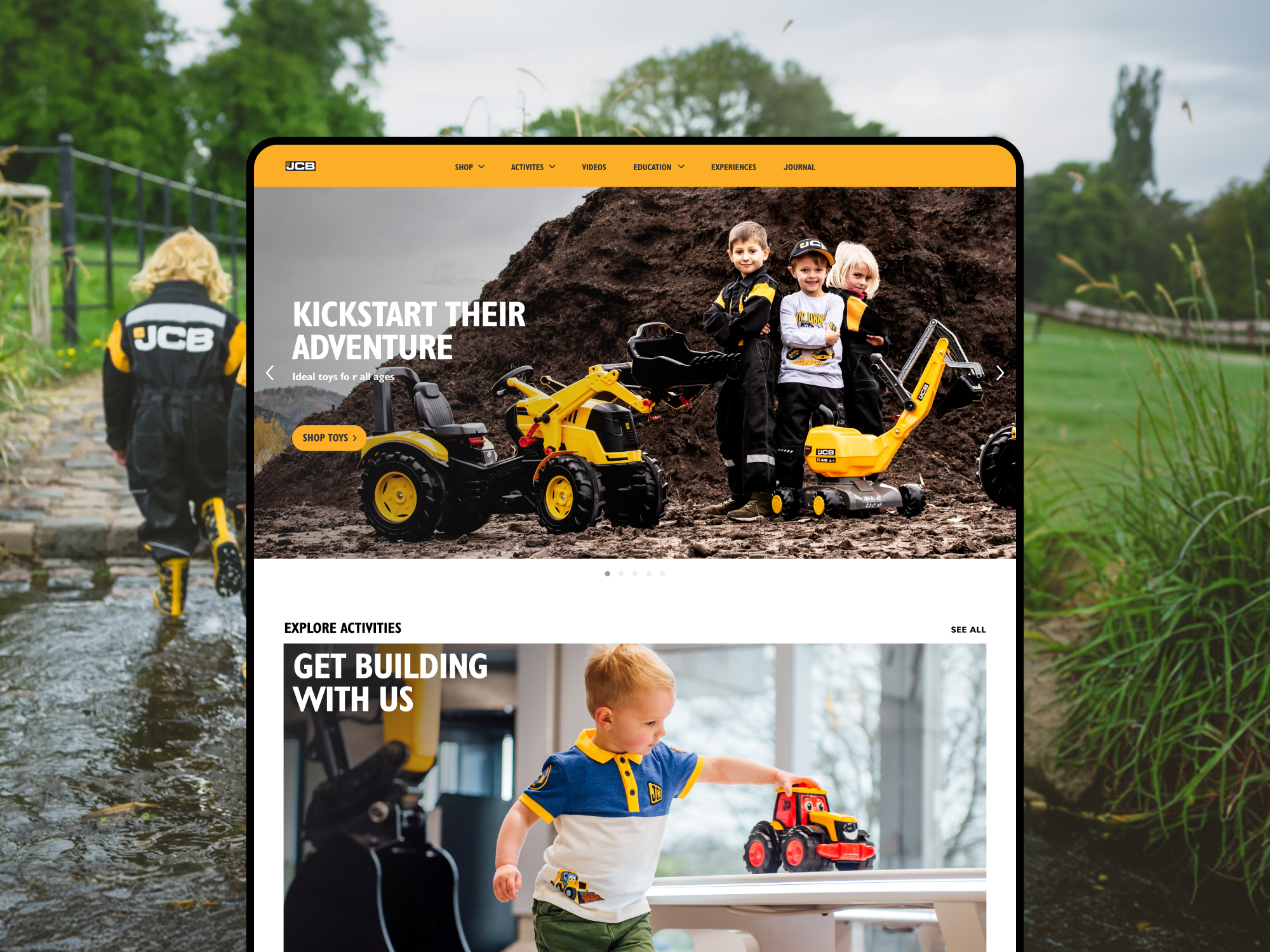
First open earns the next one. We design for engagement that compounds, not features that demo well.


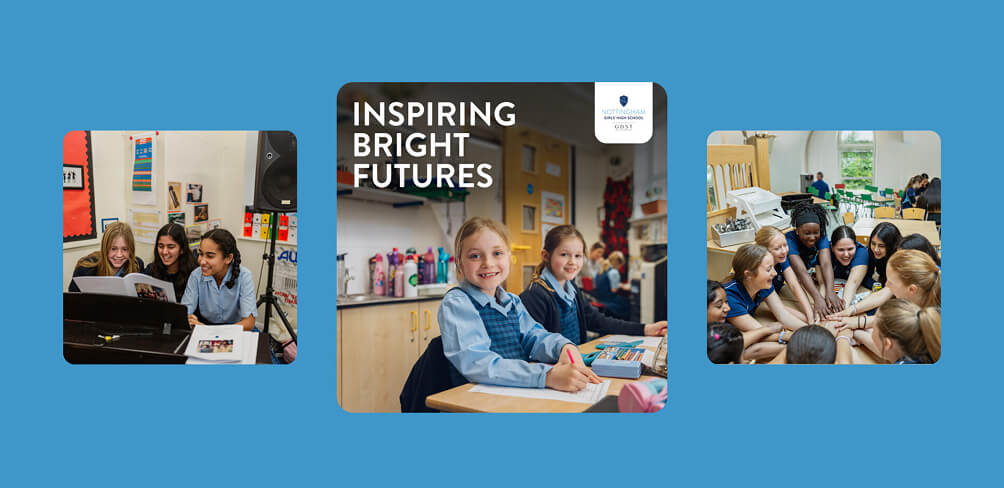


Our point of view on education
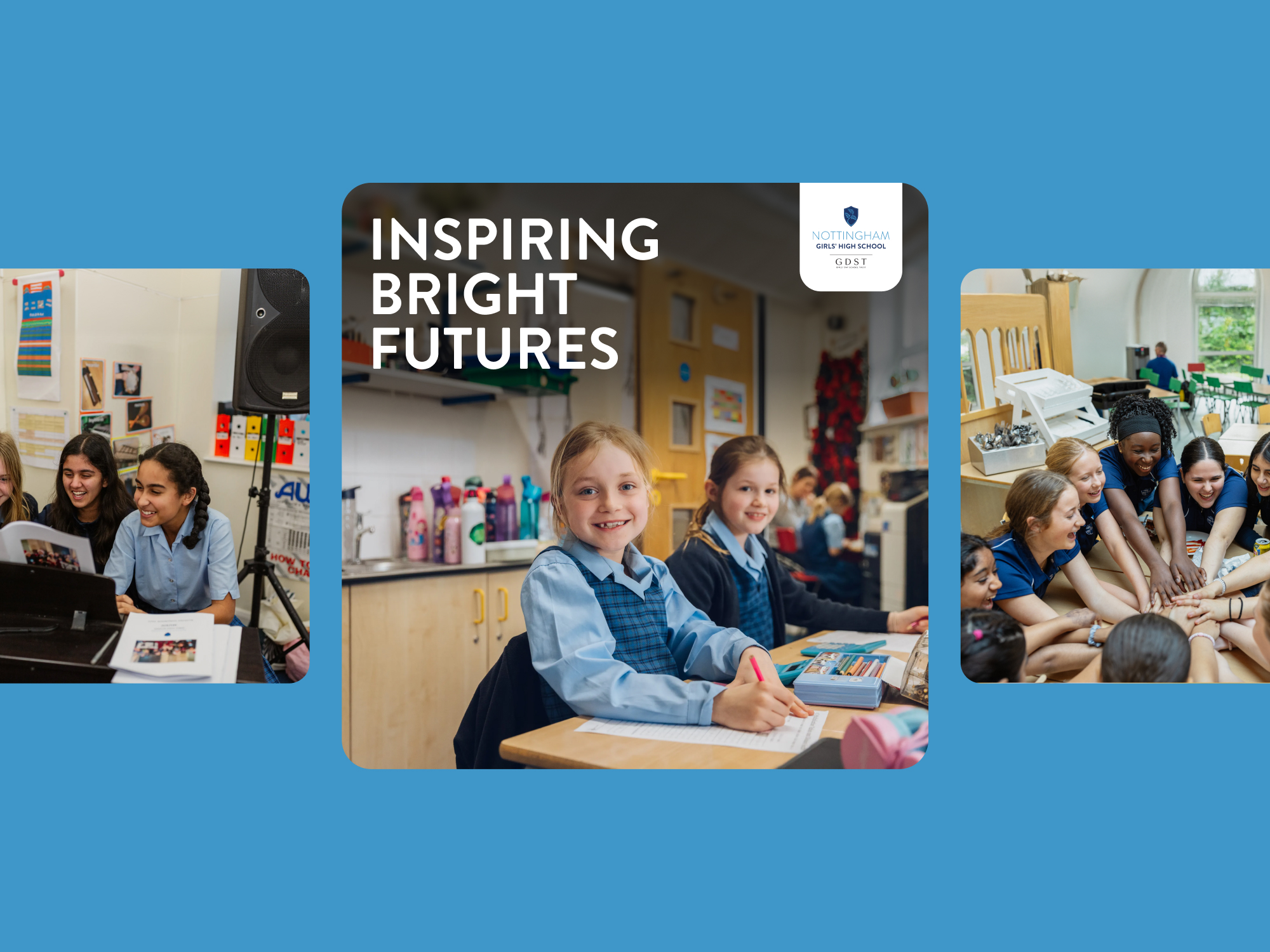
In education, the user, the buyer, and the funder are usually different people. A school buys it, a parent might pay for it, but a fifteen-year-old has to open it. The products that get used are the ones designed for the fifteen-year-old.
What we solve


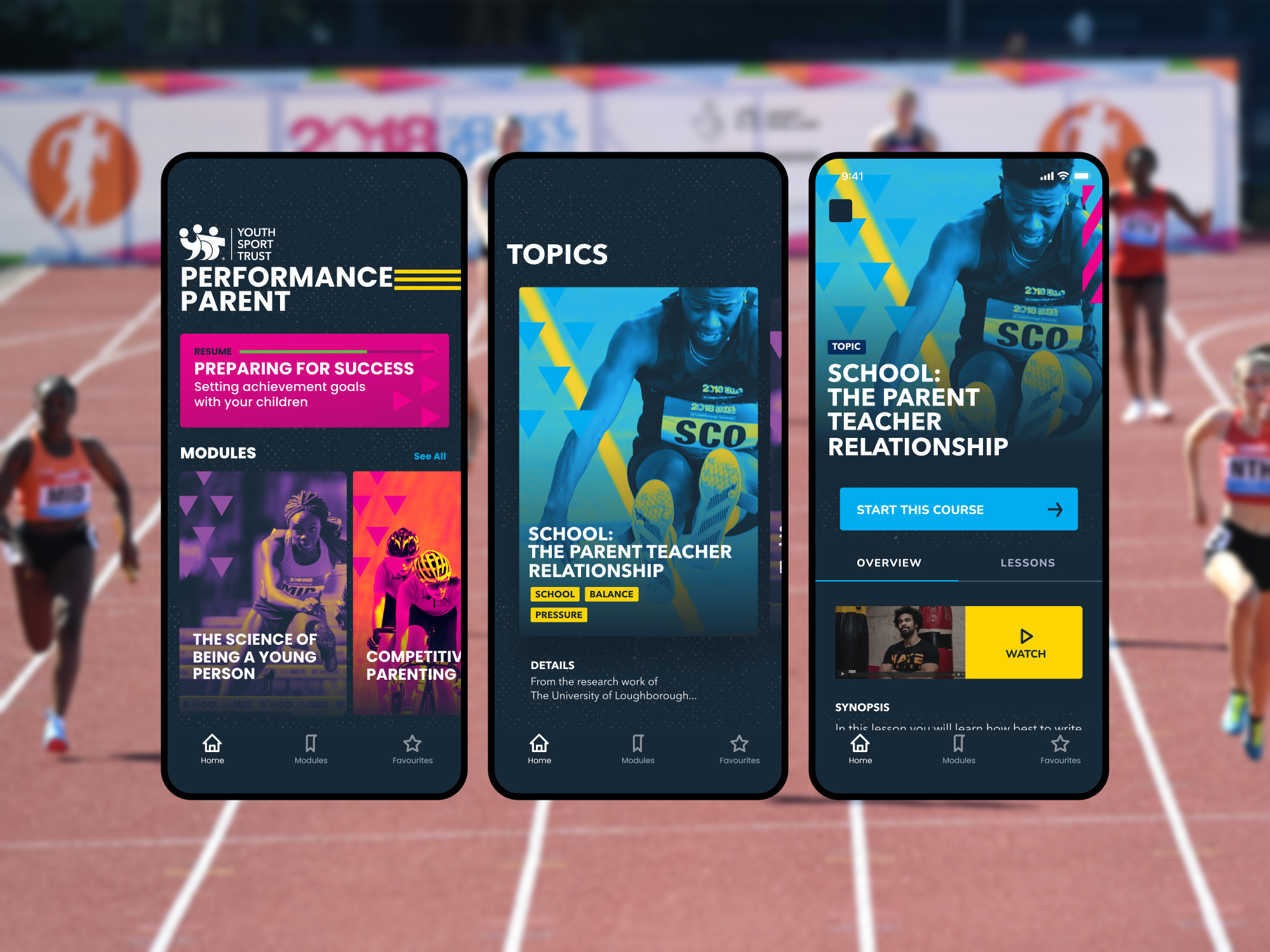
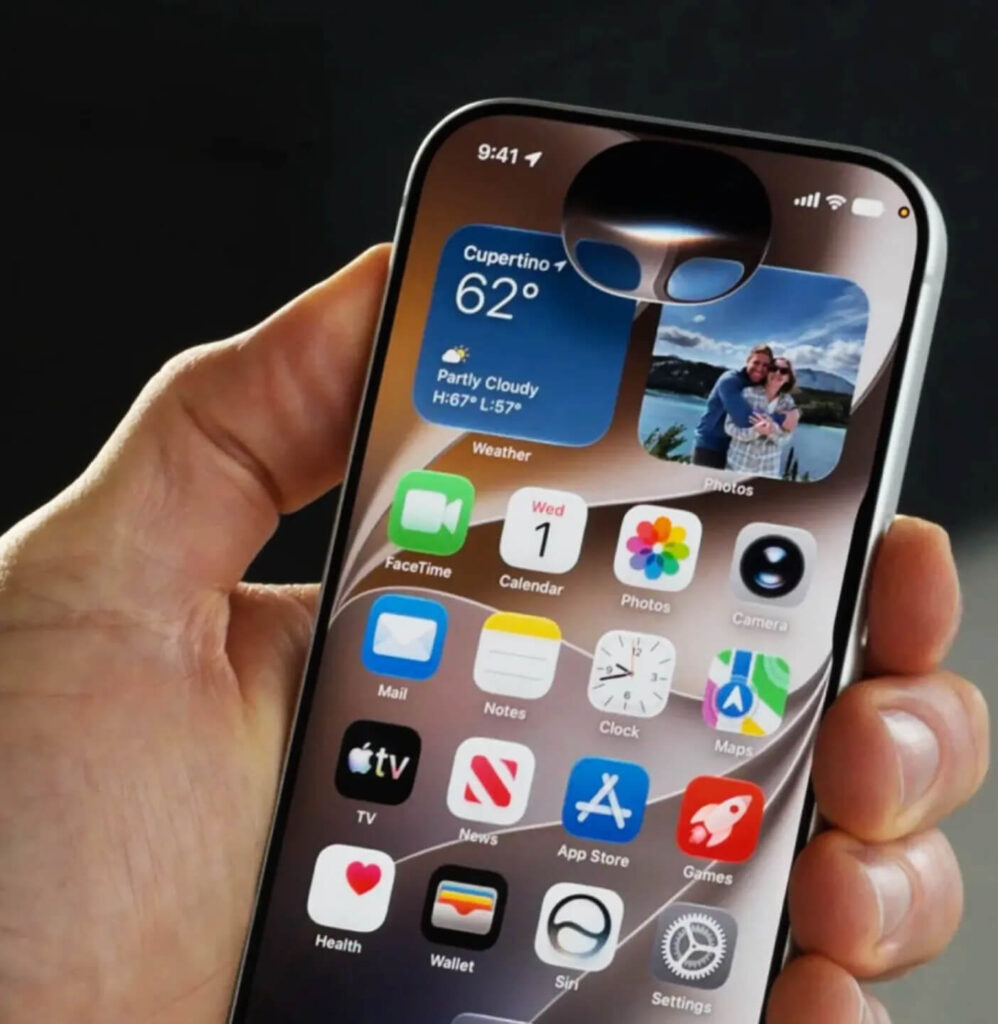
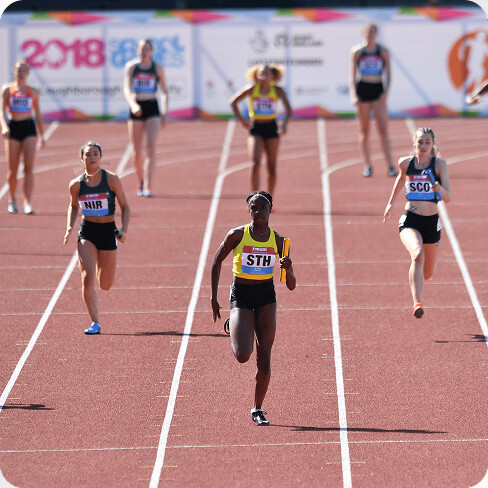
We transformed an outdated web platform into a mobile-first iOS and Android app for Youth Sport Trust, with offline access, push notifications, and note-taking for parents of elite athletes. Now adopted by multiple national sporting bodies.
Services
An app that needs more engagement. A programme that needs to scale nationally. A platform that needs to earn its next renewal. We'd like to talk.
How we work


What good education digital looks like, and what to expect from a partner who’s built across sport, parent, and brand-led learning. Browse below, or talk to the team.
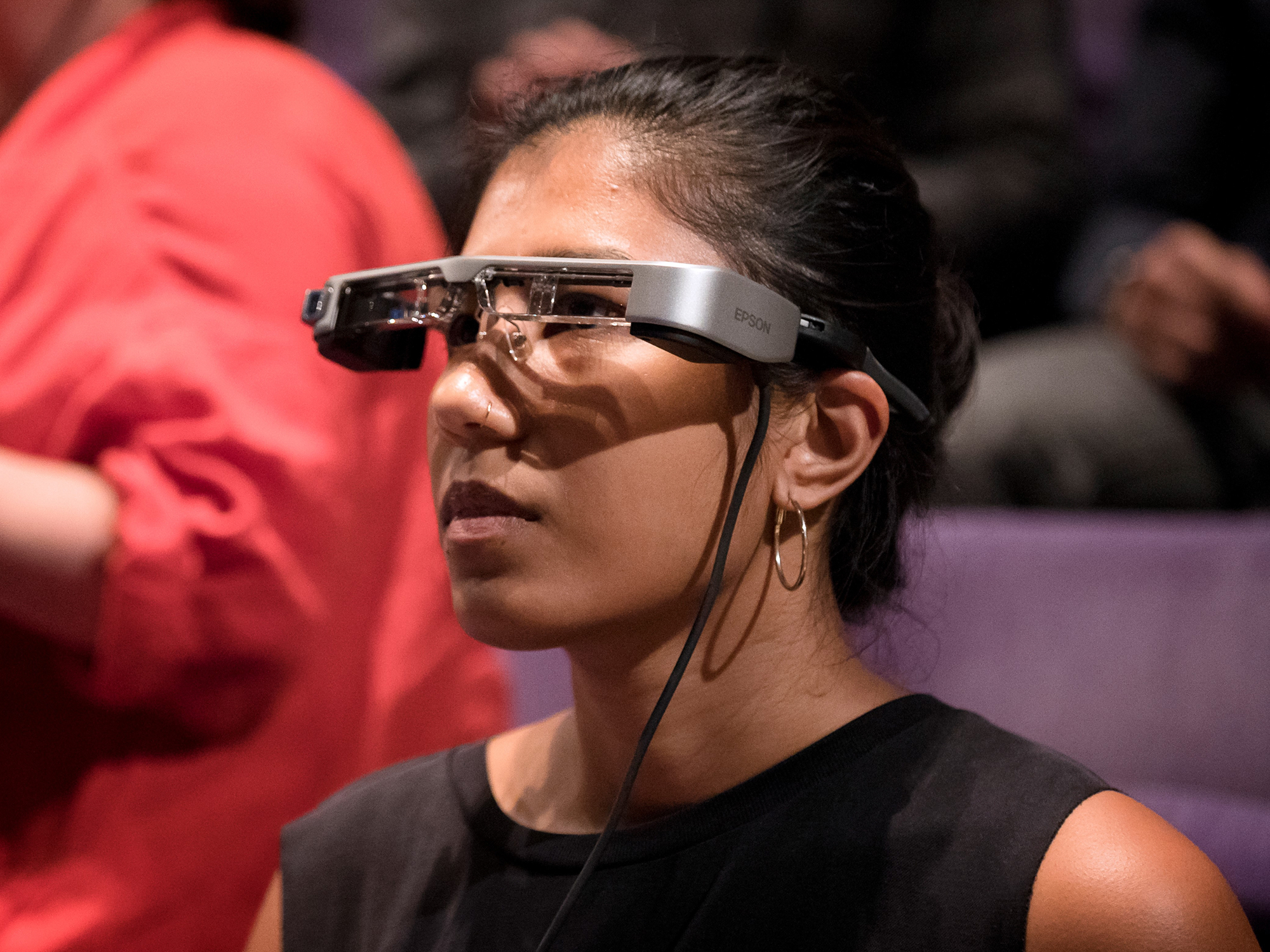
We've built learning and engagement products for institutions and for brands running education programmes, including work aimed at young audiences. We've also delivered accessibility-led products such as AR smart glasses that made cinema accessible to people with hearing and sight loss. In education, inclusive design isn't a bolt-on. It's usually the brief.
Both. Institutions come to us with enrolment, retention and a fragmented digital estate. Brands come to us wanting credibility with schools, parents and young learners. The work looks different, but the hard part is the same: earning attention from an audience with no obligation to give it, then keeping it long enough to matter.
Both. Education estates are rarely a blank page. There's usually a student information system, a VLE such as Moodle or Canvas, a CRM and single sign-on that all have to keep working. We build around and into those systems rather than replacing them for the sake of it, and we test with real users on real devices.
You don't design one experience, you design one product with different front doors. We map what each group needs to do, then decide which needs share an interface and which don't. A parent wants reassurance and a deadline. A learner wants progress and low friction. An administrator wants reporting that survives an audit.
Discovery takes two to four weeks, and we plan releases around the academic calendar rather than ours. A focused product such as a portal or learning tool ships in eight to 14 weeks. Larger platform work runs six to nine months in phases, deliberately avoiding go-live during enrolment or exam periods.
Budgets here are fixed and scrutinised, so we work to the budget rather than around it. Tell us the number and the outcome, and we'll tell you honestly what's achievable inside it and what isn't. Discovery is fixed price, and the output is a phase plan and costs you can put through procurement.
With more caution than most. AI tutoring demos beautifully and often teaches badly, and safeguarding, data protection and academic integrity are not areas to experiment on live users. Where we do use it: content adaptation, marking support, accessibility and cutting administrative load for staff. We're AI-native in delivery and human-led on anything that touches a learner.
Yes, and in education that's usually the sensible model. Your team holds the pedagogy, the safeguarding knowledge and the institutional context. We bring product, design and engineering. You get named senior leads who stay with the account, so you're not briefing a new supplier every term or managing a rotating cast.